Researchers used miniature photovoltaic cells to generate electrical fields that influence how living cells align, without wired electrodes.
Researchers at Pennsylvania State University (Penn State) have developed a way to control the alignment of living cells using miniature solar cells, potentially offering a wireless alternative to bulky electrical systems used in tissue engineering.
By changing the size and arrangement of these microscopic solar cells, researchers can guide groups of cells into specific patterns without connecting electrodes directly to them.
Miniature solar cells guide alignment Bioprinting uses living cells and biological materials, known as bioink, to build tissues layer by layer.
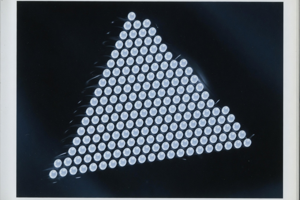
They changed the diameter of individual photovoltaic cells, ranging from 80 to 800 micrometers, and experimented with different arrangements while keeping the cell size constant.
Researchers plan to test cardiac and muscle cells before exploring three-dimensional environments for more precise tissue organisation.
Experiments with human lung and skin fibroblasts showed that cell orientation followed the patterns of the solar cell arrays.
Researchers used miniature photovoltaic cells to generate electrical fields that influence how living cells align, without wired electrodes.
Researchers at Pennsylvania State University (Penn State) have developed a way to control the alignment of living cells using miniature solar cells, potentially offering a wireless alternative to bulky electrical systems used in tissue engineering. The approach uses tiny photovoltaic cells patterned across silicon chips to convert light into local electrical fields that influence how cells orient themselves. By changing the size and arrangement of these microscopic solar cells, researchers can guide groups of cells into specific patterns without connecting electrodes directly to them.
The technique could eventually help scientists organize cells more precisely when developing biological tissues through 3D bioprinting. Miniature solar cells guide alignment Bioprinting uses living cells and biological materials, known as bioink, to build tissues layer by layer. Keeping these cells organized is important because their alignment can influence how tissues develop and function. Researchers have traditionally used electrical stimulation to influence cell orientation. However, these systems often rely on bulky equipment, wired electrodes, and invasive connections that make precise control more difficult. To address this, the Penn State team developed patterned arrays of silicon photovoltaic microcells. These tiny devices capture light and convert it into electrical signals, generating local fields that influence cellular behavior. In a study published in Advanced Functional Materials, the researchers tested two approaches. They changed the diameter of individual photovoltaic cells, ranging from 80 to 800 micrometers, and experimented with different arrangements while keeping the cell size constant.
The team placed commercially sourced human lung and skin fibroblasts on the silicon chips. Fibroblasts are connective-tissue cells that help produce and maintain the structural framework surrounding tissues. The samples were exposed to different light intensities over seven days. The researchers then compared their alignment with cells grown on chips that received no illumination. Light patterns influence growth The results showed that fibroblasts grown without illumination displayed largely random alignment. Cells exposed to light, however, arranged themselves according to the patterns of the photovoltaic arrays. The researchers also found that changing the illumination intensity influenced the electrical response of the solar cells, providing another way to regulate cellular alignment. By adjusting the size, spacing and arrangement of the photovoltaic microcells, the team could modify the electrical fields generated across the chip.