Male Fertility Is Declining: Everyday Habits That Could Be ResponsibleWritten By :,Last Updated: July 12, 2026, 12:28 ISTBeing overweight does more than increase the risk of diabetes and heart disease; it can also affect fertility.
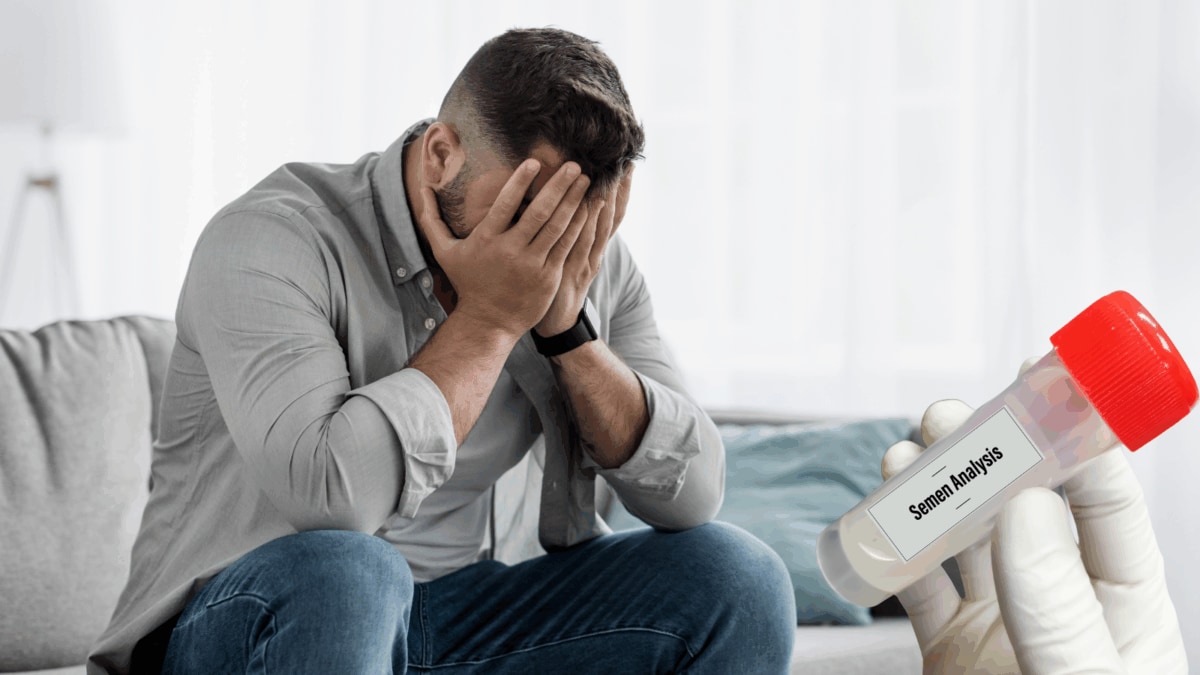
(Representative image: Canva)Over the past few decades, doctors around the world have noticed a worrying trend: male fertility is declining.
Male fertility refers to a man’s ability to impregnate a female partner.
Why Is Male Fertility Declining?
He is currently a Senior Consultant at Dr SK Jain’s... Read MoreFirst Published: July 12, 2026, 12:28 ISTNews lifestyle health-and-fitness Male Fertility Is Declining: Everyday Habits That Could Be Responsible
Male Fertility Is Declining: Everyday Habits That Could Be Responsible
Written By :
,
Last Updated: July 12, 2026, 12:28 IST
Being overweight does more than increase the risk of diabetes and heart disease; it can also affect fertility.
Rapid Read
Smoking is one of the biggest lifestyle factors linked to poor fertility. (Representative image: Canva)
Over the past few decades, doctors around the world have noticed a worrying trend: male fertility is declining. More couples are struggling to conceive, and research suggests that in nearly half of infertility cases, male-related factors play a role.
While medical conditions and genetics can affect fertility, experts say that several everyday lifestyle habits may also be silently reducing a man’s ability to father a child. The good news is that many of these habits are modifiable. By making healthier choices early, men may improve not only their reproductive health but also their overall well-being.
What Is Male Fertility?
Male fertility refers to a man’s ability to impregnate a female partner. This mainly depends on the health and quality of sperm, the microscopic reproductive cells produced in the testicles.
For a successful pregnancy, sperm should have three important qualities:
Healthy sperm count: The number of sperm present in the semen. A higher number increases the chances of one sperm reaching and fertilising the egg.
Good sperm motility: Motility simply means movement. Sperm need to swim efficiently through the female reproductive tract to reach the egg.
Normal sperm morphology: Morphology refers to the shape and structure of sperm. Healthy sperm have an oval head and a long tail that help them move properly and fertilise the egg.
Why Is Male Fertility Declining?
Several international studies have reported a significant decline in average sperm counts over the past few decades. Scientists believe there isn’t one single reason.
Instead, it is likely the result of a combination of poor lifestyle habits, environmental pollution, stress, unhealthy diets, obesity and increasing exposure to harmful chemicals. Although research is ongoing, doctors agree that modern lifestyles are placing increasing pressure on men’s reproductive health.
Smoking Damages Sperm: Smoking is one of the biggest lifestyle factors linked to poor fertility. Cigarette smoke contains thousands of harmful chemicals that increase oxidative stress, a condition where harmful molecules called free radicals damage healthy cells.
In simple terms, free radicals are unstable molecules that can injure sperm cells, reducing both their quality and their ability to fertilise an egg. Men who smoke often have:
Lower sperm count
Poor sperm movement
Higher rates of abnormal sperm
Increased DNA damage inside sperm cells
Even passive smoking may negatively affect reproductive health.
Excessive Alcohol Consumption: Drinking alcohol occasionally is unlikely to cause infertility, but excessive or long-term drinking can interfere with reproductive hormones. Alcohol may reduce the production of testosterone, the primary male sex hormone responsible for sperm production, muscle mass and sexual desire. Low testosterone levels may lead to:
Reduced sperm production
Lower libido
Erectile difficulties
Poor semen quality
Obesity Can Affect Hormones: Being overweight does more than increase the risk of diabetes and heart disease; it can also affect fertility. Fat tissue converts testosterone into oestrogen, a hormone present in both men and women but naturally found in much higher levels in women.
When body fat increases, testosterone levels may decrease while oestrogen levels rise, disrupting sperm production. Obesity is also associated with:
Poor sperm quality
Erectile dysfunction
Reduced sexual desire
Increased inflammation throughout the body
Poor Diet Means Poor Sperm Health: Sperm cells require several vitamins, minerals and antioxidants to develop properly. A diet high in processed foods, sugary drinks, fried foods and trans fats may increase inflammation and reduce sperm quality.
On the other hand, a balanced diet rich in fruits, vegetables, whole grains, nuts, seeds, fish and lean proteins provides nutrients that support healthy sperm production. Some important nutrients include:
Zinc: Helps maintain testosterone levels and supports sperm formation.
Vitamin C: Acts as an antioxidant that protects sperm from damage.
Vitamin E: Helps protect the sperm membrane.
Folate (Vitamin B9): Plays an important role in DNA production.
Omega-3 fatty acids: Support healthy sperm structure and movement.
Chronic Stress Can Disrupt Fertility: Modern life often comes with deadlines, financial pressures and work-related stress. Long-term stress increases the body’s production of cortisol, commonly known as the stress hormone.
High cortisol levels may interfere with testosterone production and reduce sperm formation. Stress may also indirectly affect fertility by causing:
Poor sleep
Reduced libido
Relationship difficulties
Increased smoking or alcohol use
Lack of Sleep: Sleep is when the body repairs itself and regulates hormone production. Men who consistently sleep less than six hours per night may experience reduced testosterone levels and poorer sperm quality.
Adults should aim for 7 to 9 hours of quality sleep each night to support overall health and fertility.
Excessive Heat Around the Testicles: The testicles are located outside the body because sperm production requires temperatures slightly cooler than normal body temperature. Frequent exposure to excessive heat may temporarily reduce sperm production. Common sources include:
Prolonged hot tubs or saunas
Keeping laptops directly on the lap for long periods
Tight-fitting underwear in some individuals
Occupations involving prolonged heat exposure
Physical Inactivity: Regular exercise supports healthy hormone levels, improves blood circulation and helps maintain a healthy weight. However, both extremes can be problematic.
Too little physical activity increases obesity risk, while excessive overtraining, particularly when combined with anabolic steroid use, can significantly suppress testosterone and sperm production.
Moderate exercise most days of the week is generally recommended. Environmental Pollution and Chemicals: Modern life exposes people to numerous chemicals found in plastics, pesticides, industrial pollutants and certain personal care products.
Some of these substances are known as endocrine disruptors. An endocrine disruptor is a chemical that interferes with the body’s hormones, potentially affecting sperm production and reproductive health. Although more research is needed, experts recommend reducing unnecessary exposure by:
Avoiding heating food in certain plastic containers.
Wash fruits and vegetables thoroughly.
Using protective equipment when handling industrial chemicals.
Following workplace safety guidelines.
Can Male Fertility Be Improved?
In many cases, yes. Because sperm take around 70 to 90 days to develop completely, healthy lifestyle changes made today may begin improving sperm quality over the next few months. As a sexologist, I recommend:
Quit smoking.
Limit alcohol consumption.
Maintain a healthy weight.
Eat a nutrient-rich balanced diet. Exercise regularly.
Sleep 7-9 hours each night.
Manage stress effectively.
Avoid unnecessary exposure to excessive heat.
Seek timely medical advice if pregnancy is delayed.
It’s important to remember that not every fertility problem can be solved through lifestyle changes alone. Some men may require medication, treatment for underlying medical conditions or assisted reproductive techniques, depending on the cause. Male fertility is not determined by age alone or by sexual performance.
A man may feel perfectly healthy and still have reduced sperm quality. The encouraging news is that many everyday habits affecting fertility are within our control. Small lifestyle improvements made consistently can have a meaningful impact on reproductive health. If conception is taking longer than expected, couples should seek evaluation together rather than assuming the problem lies with one partner. Early diagnosis often leads to more effective treatment and better outcomes.
News18 Newsletter Handpicked stories, in your inbox A newsletter with the best of our journalism submit
About the Author Prof (Dr) Saransh Jain Prof (Dr) Saransh Jain is the winner of the Swasth Bharat Rattan Award and is a Certified and Licensed Sexologist by the American Board of Sexology. He is currently a Senior Consultant at Dr SK Jain’s... Read More
First Published: July 12, 2026, 12:28 IST
News lifestyle health-and-fitness Male Fertility Is Declining: Everyday Habits That Could Be Responsible