For decades, extreme heat was treated as a seasonal hardship but temporary.
With sustained heat exposure, the body spends more time trying to cool itself through sweating and changes in blood circulation.
“Blood investigations in severe cases often reveal muscle breakdown, strain on the kidneys and liver, and dangerous electrolyte imbalance caused by extreme heat exposure,” he says.
The absence of sweating in extreme heat is itself a medical warning.
Story continues below this adWhy the elderly face the biggest health threatsNo group faces greater danger during extreme heat than the elderly.
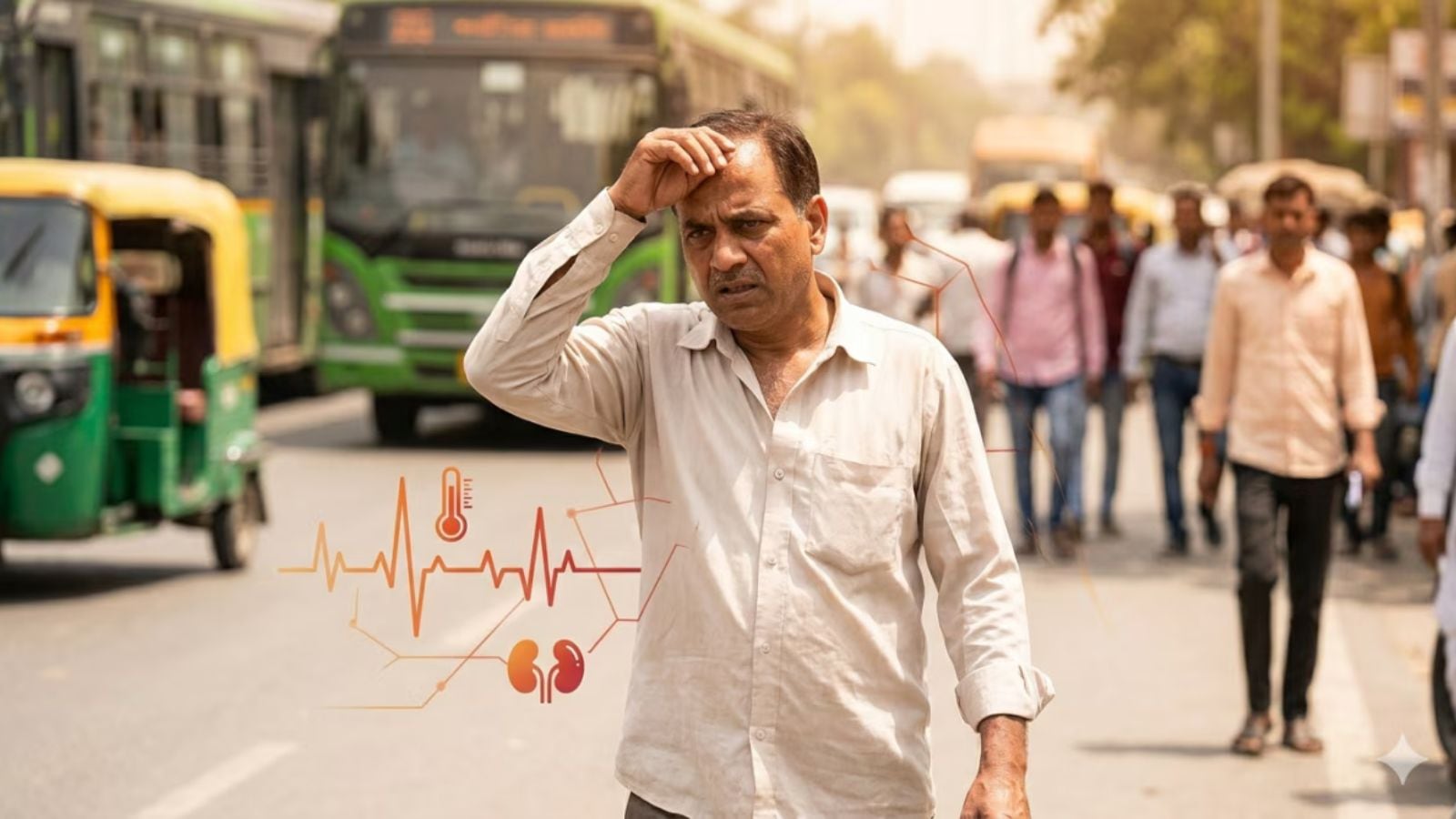
For decades, extreme heat was treated as a seasonal hardship but temporary. But with large parts of India consistently reporting summer temperatures above 44°C, heat stress is posing a health threat. “We are not looking at dramatic episodes of heatstroke but the quieter, cumulative damage that relentless heat inflicts on the human body over weeks and months. The body gets very little time to recover,” says Dr Rakesh Gupta, senior consultant, Internal Medicine, Indraprastha Apollo Hospital, New Delhi.
Sustained exposure to extreme heat affects nearly every major organ system. It strains the heart, taxes the kidneys, disrupts sleep, impairs cognition, alters emotional stability and accelerates underlying disease. And it does so unevenly, with children, working-age adults and the elderly facing distinct and often underestimated risks.
“The human body was never designed to work continuously to maintain its core temperature. With sustained heat exposure, the body spends more time trying to cool itself through sweating and changes in blood circulation. Over time, this can lead to persistent fluid and electrolyte loss, disturbed sleep, fatigue, reduced concentration, headaches, and a general feeling of exhaustion. People may dismiss these symptoms as routine tiredness, but they can be early signs that the body is struggling to adapt. By the time the body visibly collapses, the damage is often already advanced,” says Dr Gupta.
Dr Prashant Borade, Director-ICU at Gleneagles Hospital, Mumbai, says hospitals are witnessing a sharp rise in patients suffering from severe heat stress and dehydration. “Blood investigations in severe cases often reveal muscle breakdown, strain on the kidneys and liver, and dangerous electrolyte imbalance caused by extreme heat exposure,” he says.
What’s the biggest myth about heat stress?
That it affects only outdoor workers or vulnerable populations. According to Dr Gupta, “Daily commuters, children spending time outdoors, individuals living in poorly ventilated homes and even otherwise healthy young adults can experience cumulative heat stress.”
Why children are more prone to heat
Children are among the least protected from extreme heat, though they are rarely perceived as the highest-risk group. Physiologically, they are poorly equipped for prolonged exposure to temperatures above 44°C. “Their bodies heat up faster, they sweat less efficiently than adults and they dehydrate far more quickly. Infants are especially vulnerable because their temperature regulation systems are still developing. A child can move from mild dehydration to a medical emergency with alarming speed,” says Dr Gupta, urging parents to pay attention to unusual tiredness, irritability, reduced activity, poor appetite, headaches, or lethargy, particularly if children continue outdoor activities during peak heat hours.
Repeated dehydration, exhaustion and disrupted sleep weaken immunity and leave children more vulnerable to gastrointestinal illnesses and respiratory infections. “A child who becomes unusually quiet, refuses food, appears persistently irritable or stops urinating normally may already be entering dangerous dehydration,” advises Dr Gupta. In infants, the warning signs can be even harder to recognise: sunken eyes, weak crying, excessive sleepiness or skin that feels hot but dry. The absence of sweating in extreme heat is itself a medical warning.
Story continues below this ad
Dr Joel Dsouza, paediatric specialist at PD Hinduja Hospital and MRC in Khar, Mumbai, says infants may become fussy during feeding, cry excessively, have fewer wet nappies and develop fever-like symptoms. “Toddlers playing outdoors can dehydrate very quickly and develop heat rash or exhaustion. Teenagers involved in sports are at risk of exercise-induced collapse and electrolyte imbalance,” he says.
How working adults are vulnerable
If children are visibly vulnerable, young adults are vulnerable in a more deceptive way. Prolonged exposure creates what doctors describe as “invisible damage”.
“Symptoms such as ongoing fatigue, poor concentration, headaches, disturbed sleep, dizziness, muscle cramps, and exhaustion may develop gradually and are often ignored. The kidneys are often the first organs to show signs of stress. Repeated dehydration concentrates toxins in the body and impairs renal function over time. In several heat-intensive regions globally, there are rising incidences of kidney stones and chronic kidney disease among labour populations routinely exposed to high temperatures,” says Dr Gupta.
The cardiovascular system also comes under continuous strain. To cool itself, the body pushes blood toward the skin and increases heart rate. Sustained over months, this places a heavy burden on circulation, especially in people already living with poor nutrition, long work hours and limited access to cooling. “One symptom deserves particular attention: when a person stops sweating despite intense heat exposure. This can signal that the body’s cooling system is failing and heat stroke may be imminent,” says Dr Gupta.
Story continues below this ad
Why the elderly face the biggest health threats
No group faces greater danger during extreme heat than the elderly. “Living with 45°C can become especially difficult because the body’s ability to regulate temperature and conserve fluids reduces with age. Existing heart, respiratory, or metabolic conditions may also become harder to manage,” warns Dr Gupta.
During severe heat waves, hospitals often report spikes not only in heatstroke cases but also in heart attacks, strokes and arrhythmias. “In many cases, heat acts less as a direct killer than as the trigger that overwhelms already fragile systems in the elderly,” adds Dr Gupta.
Cognitive decline also worsens sharply in prolonged heat. Elderly people suffering from dementia or neurological disorders can become severely disoriented, confused or withdrawn. Some stop recognising thirst entirely. “Elderly individuals living alone may deteriorate gradually over several days. Families frequently mistake confusion, excessive sleepiness or refusal to eat as signs of ageing rather than medical distress. Sudden confusion, slurred speech, rapid breathing, hallucinations, imbalance or unusual lethargy are not merely signs of discomfort. They may indicate systemic heat injury,” says Dr Gupta.
The hidden threat of hot nights
In many Indian cities, temperatures now remain above 30°C well after midnight. Concrete, asphalt and trapped heat create “urban heat islands” that prevent cities from cooling after sunset. The result is that the body loses its recovery window. “Human beings are physiologically designed to cool down at night. Core body temperature naturally falls during sleep, allowing the cardiovascular system, brain and hormonal networks to recover from daytime stress. When nights remain excessively warm, that process is interrupted. So the body is carrying one day’s heat burden into the next without adequate physiological recovery,” says Dr Gupta. In such a scenario, the heart rates remain elevated, dehydration worsens and blood pressure regulation becomes unstable.
Story continues below this ad
The brain relies on temperature regulation during sleep. Elevated temperatures interfere with circadian rhythms and hormone cycles, including melatonin production. Studies globally have linked prolonged hot nights with rising anxiety, aggression, psychological distress and hospital admissions for mental-health crises.
Why prevention is more than just hydration
For years, heat advice focused largely on individual behaviour: drink water, avoid direct sunlight, remain indoors where possible.
“In prolonged heat, the body continuously loses salts and electrolytes. Oral rehydration solutions, buttermilk, coconut water and salted fluids may become medically important during extreme conditions. Make a habit of drinking infused water,” says Dr Gupta.
Fans become less effective when temperatures and humidity rise too high. Cooling the neck, feet and underarms with water and improved ventilation are often more effective.