The debilitating illness disproportionately affects women at a rate of 80 per cent, and ican cause double vision, stopping people from driving and working.
“My husband noticed I was sleeping with my left eye open and I had a feeling like sand in my eye,” the 53-year-old mother told AAP.
“I was really intolerant to glare and light, and I had watery eyes and a stabbing eye pain.
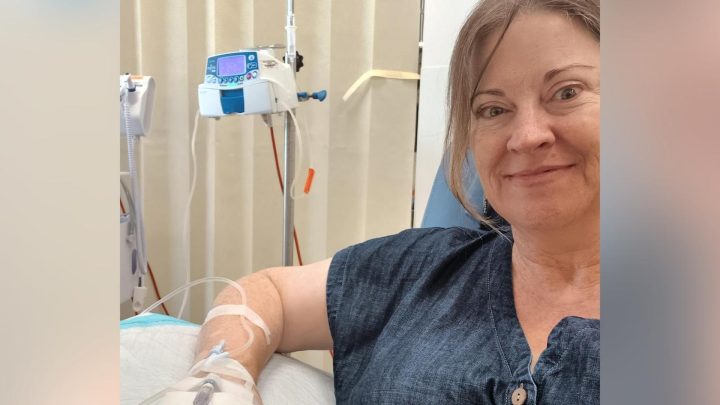
Living in a remote area has meant three months of weekly four-hour trips to Sydney for Ms Miller with no specialist ophthalmologists in her region to administer specific treatment.
Centre for Eye Research Australia Associate Professor Jwu Jin Khong has been at the forefront of research and clinical trials focused on investigating effective treatment strategies.
The debilitating illness disproportionately affects women at a rate of 80 per cent, and ican cause double vision, stopping people from driving and working. In extreme cases, it spells loss of vision.
“My husband noticed I was sleeping with my left eye open and I had a feeling like sand in my eye,” the 53-year-old mother told AAP. “I was really intolerant to glare and light, and I had watery eyes and a stabbing eye pain. My friends noticed my eye looked different, like it was kind of staring and wide open.”
After going into remission, the condition again reared its head and the former domestic violence caseworker from Mudgee in Central Western NSW felt the same symptoms of double vision and blister-like bubbles of fluid in her eyeballs.
She is heartened by a groundbreaking medication Tepezza (teprotumumab) being listed for the first time on the Pharmaceutical Benefits Scheme from Sunday, for eligible adults with active moderate to severe TED in Australia.
Around 450 new cases of the disease develop each year nationwide and it’s hoped the PBS listing will bring comfort to them and many others who experience inflammation and swelling behind the eyes resulting in bulging, redness and eyelid retraction.
Living in a remote area has meant three months of weekly four-hour trips to Sydney for Ms Miller with no specialist ophthalmologists in her region to administer specific treatment.
“My ability to see was very affected so I had to rely on public transport to get to my appointments in Sydney or my husband would drive me get MRI scans with a specialist who understood thyroid eye disease,” she explained.
Centre for Eye Research Australia Associate Professor Jwu Jin Khong has been at the forefront of research and clinical trials focused on investigating effective treatment strategies.