However, the incumbent has stated that a coalition with Arab parties would be "a shame and disgrace."
Furthermore, teaming up with Arab parties could be an anathema to Jewish-led parties after the October 7, 2023, attacks by Hamas.
Delegations from every party that won seats visit the President's residence in Jerusalem and say whom they recommend for prime minister.
Furthermore, teaming up with Arab parties could be an anathema to Jewish-led parties after the October 7, 2023, attacks by Hamas.
Delegations from every party that won seats visit the President's residence in Jerusalem and say whom they recommend for prime minister.
By
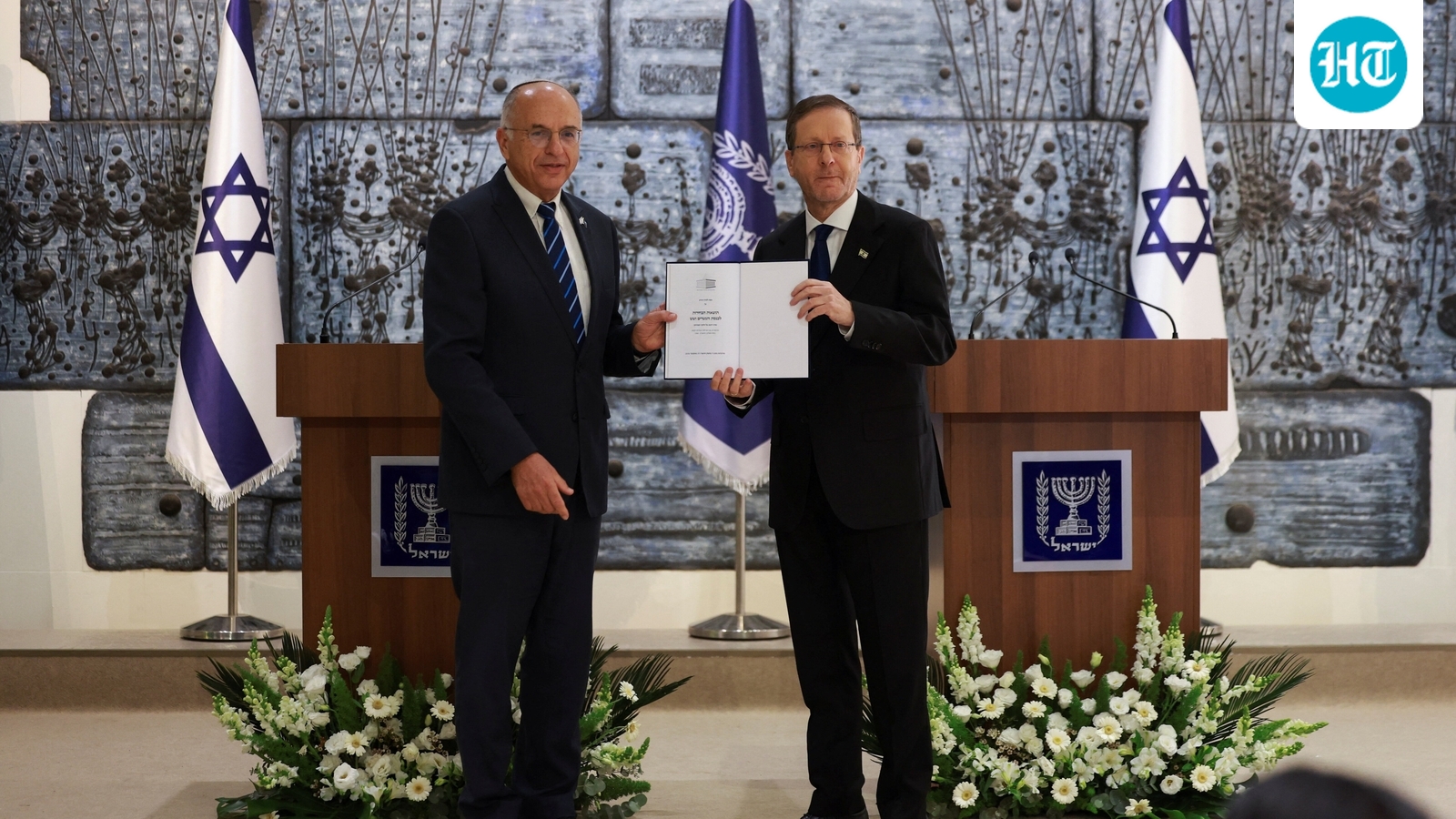
Israel election results 2026 highlights: Israeli President Isaac Herzog receives the official results of the elections for the 26th Knesset from the Chairman of the Central Elections Committee Justice Noam Sohlberg
Israel Election Results 2026 highlights: Israel's Central Election Committee has officially declared the results of the 2026 legislative elections and handed over the certified list to President Isaac Herzog, setting the stage for the next phase of government formation. Herzog is reportedly holding consultations with political parties over the coming days to assess their positions and determine who has the best chance of securing a parliamentary majority. Following these consultations, the president will choose a candidate, most likely Prime Minister Benjamin Netanyahu or opposition leader Gadi Eisenkot, to attempt to form a coalition government. The decision will set the stage for weeks of negotiations, as neither leader's bloc secured the majority needed to govern independently. The outcome will depend on their ability to secure the support of smaller parties and potential allies. If neither Netanyahu nor Eisenkot manages to put together a governing coalition, Israel could be headed for another election early next year. The official results come amid a deadlock between incumbent prime minister Benjamin Netanyahu's bloc and the Gadi Eisenkot-led Opposition, and Netanyahu bloc's allegations of voter charge. The voter theft and fraud allegations were dismissed by the Israeli poll body on Wednesday morning. In the 120-seat Knesset, parties need at least 61 seats to stake a claim at forming the government. According to the poll body, Netanyahu’s bloc won 53 seats in the October 27 elections, while the opposition bloc, led by Eisenkot, won 48, meaning neither side can form a government. Despite this stalemate, the elections were a big one for Israel's Arab parties - Joint List and Ra'am - which won a record of 19 seats. Netanyahu bloc vs Eisenkot bloc | A breakdown The bloc led by incumbent PM Netanyahu consists of - Likud Party United Torah Judaism (UTJ) Otzma Yehudit Shas Religious Zionism The bloc led by Gadi Eisenkot comprises of - Yashar B'Yachad The Democrats Yisrael Beytenu Arab parties 'kingmakers'? With Arab parties securing 19 seats, a record win for them, the Joint List alliance and Ra'am parties became a significant part of the elections. These 19 Arab seats could take the Netanyahu or Eisenkot blocs over the 61-seat majority mark. However, a coalition with Arab parties will not be easy. An anti-Arab veto limits the parties. This informal veto refers to the reluctance of Jewish-led political parties to form a coalition with Arab-led factions. This was also reflected in the Netanyahu-led bloc's move to bar Arab parties such as the Joint List and Ra'am from contesting the elections, a decision later struck down by the Supreme Court. For Netanyahu, who is facing the ultimate test, a coalition with Arab parties may help him secure another term amid the ongoing wars and a corruption trial. However, the incumbent has stated that a coalition with Arab parties would be "a shame and disgrace." Furthermore, teaming up with Arab parties could be an anathema to Jewish-led parties after the October 7, 2023, attacks by Hamas. Coalition talks and the timeline After the November 4 results, the bloc will begin coalition talks as none were able to reach the majority mark of 61 seats. Soon after the results are announced, Israeli president Isaac Herzog is expected to begin consultations. Delegations from every party that won seats visit the President's residence in Jerusalem and say whom they recommend for prime minister. The president has seven days from the publication of the official election results to complete consultations and assign the task of forming a government under Israeli law. Results on November 4 mean that parties have a November 11 deadline to stake their claim. Once a candidate for prime minister is named, the Basic Law sets all deadlines, and Netanyahu remains caretaker leader until a new government wins a confidence vote. However, if all routes fail, Israel could see another snap vote to break the deadlock. ...Read More
Following these consultations, the president will choose a candidate, most likely Prime Minister Benjamin Netanyahu or opposition leader Gadi Eisenkot, to attempt to form a coalition government. The decision will set the stage for weeks of negotiations, as neither leader's bloc secured the majority needed to govern independently. The outcome will depend on their ability to secure the support of smaller parties and potential allies. If neither Netanyahu nor Eisenkot manages to put together a governing coalition, Israel could be headed for another election early next year. The official results come amid a deadlock between incumbent prime minister Benjamin Netanyahu's bloc and the Gadi Eisenkot-led Opposition, and Netanyahu bloc's allegations of voter charge. The voter theft and fraud allegations were dismissed by the Israeli poll body on Wednesday morning. In the 120-seat Knesset, parties need at least 61 seats to stake a claim at forming the government. According to the poll body, Netanyahu’s bloc won 53 seats in the October 27 elections, while the opposition bloc, led by Eisenkot, won 48, meaning neither side can form a government. Despite this stalemate, the elections were a big one for Israel's Arab parties - Joint List and Ra'am - which won a record of 19 seats. Netanyahu bloc vs Eisenkot bloc | A breakdown The bloc led by incumbent PM Netanyahu consists of - Likud Party United Torah Judaism (UTJ) Otzma Yehudit Shas Religious Zionism The bloc led by Gadi Eisenkot comprises of - Yashar B'Yachad The Democrats Yisrael Beytenu Arab parties 'kingmakers'? With Arab parties securing 19 seats, a record win for them, the Joint List alliance and Ra'am parties became a significant part of the elections. These 19 Arab seats could take the Netanyahu or Eisenkot blocs over the 61-seat majority mark. However, a coalition with Arab parties will not be easy. An anti-Arab veto limits the parties. This informal veto refers to the reluctance of Jewish-led political parties to form a coalition with Arab-led factions. This was also reflected in the Netanyahu-led bloc's move to bar Arab parties such as the Joint List and Ra'am from contesting the elections, a decision later struck down by the Supreme Court. For Netanyahu, who is facing the ultimate test, a coalition with Arab parties may help him secure another term amid the ongoing wars and a corruption trial. However, the incumbent has stated that a coalition with Arab parties would be "a shame and disgrace." Furthermore, teaming up with Arab parties could be an anathema to Jewish-led parties after the October 7, 2023, attacks by Hamas. Coalition talks and the timeline After the November 4 results, the bloc will begin coalition talks as none were able to reach the majority mark of 61 seats. Soon after the results are announced, Israeli president Isaac Herzog is expected to begin consultations. Delegations from every party that won seats visit the President's residence in Jerusalem and say whom they recommend for prime minister. The president has seven days from the publication of the official election results to complete consultations and assign the task of forming a government under Israeli law. Results on November 4 mean that parties have a November 11 deadline to stake their claim. Once a candidate for prime minister is named, the Basic Law sets all deadlines, and Netanyahu remains caretaker leader until a new government wins a confidence vote. However, if all routes fail, Israel could see another snap vote to break the deadlock.