Is There An Age Limit For The HPV Vaccine?
In India, roughly 1.25 lakh women develop cervical cancer annually and around 80,000 lose their lives, making prevention vital.
1 / 8 Government programmes provide free HPV vaccination for girls aged 9 to 14 because immune response is strongest then, with two doses offering roughly 99 percent protection.
Receiving the proper schedule recommended by a doctor brings cervical cancer risk down to nearly zero over time.
(Image: Canva)7 / 8 Self-collected HPV tests allow people to send a sample to a lab, though testing facilities remain limited in India.
Is There An Age Limit For The HPV Vaccine? Here's What You Should Know
Last Updated: November 21, 2026, 12:00 IST
Cervical cancer develops at the mouth of the uterus and is driven by persistent human papillomavirus (HPV) infection that can sit quietly for years without obvious symptoms before abnormal cells form. In India, roughly 1.25 lakh women develop cervical cancer annually and around 80,000 lose their lives, making prevention vital. Drawing on insights from gynecologic oncologist Dr. Shalu Kumari at Narayana Healthcare in New Delhi, this guide explains age-based vaccination options, everyday precautions, and screening tests that help catch early changes before cancer progresses.
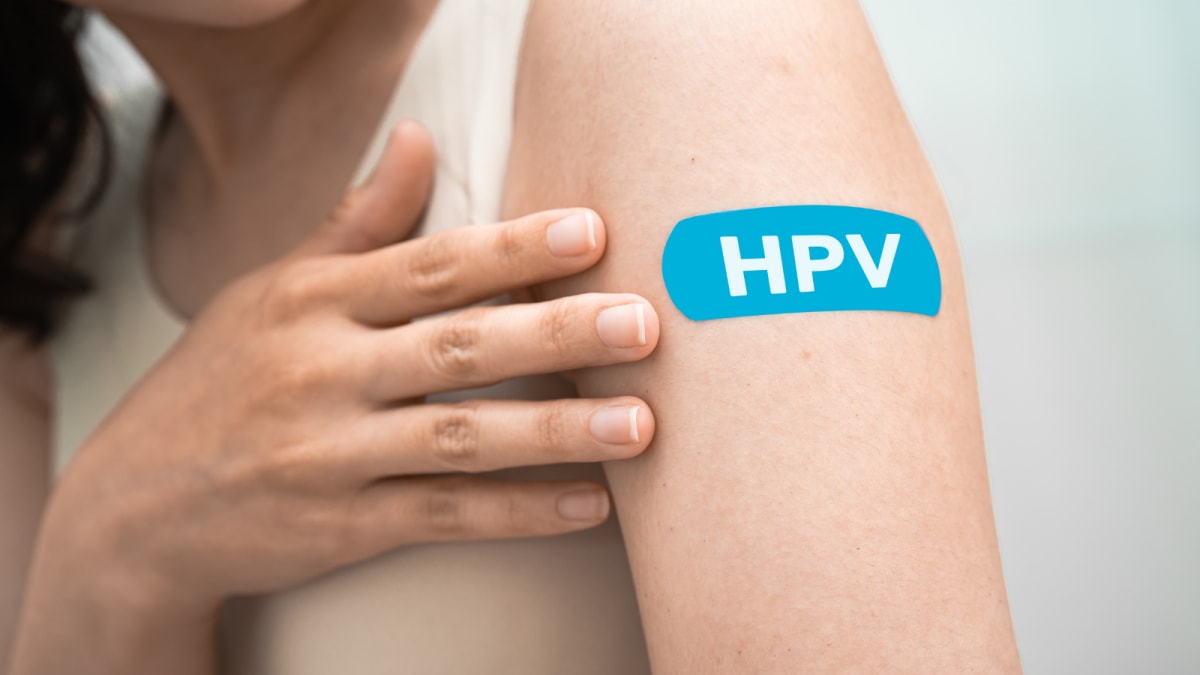
1 / 8 Government programmes provide free HPV vaccination for girls aged 9 to 14 because immune response is strongest then, with two doses offering roughly 99 percent protection. Still, women up to age 26 and up to 45 with doctor guidance can get vaccinated. (Image: Canva)
2 / 8 Dr. Shalu Kumari, Narayana Healthcare, New Delhi, emphasizes that HPV vaccination is the most effective defense because it targets the underlying viral trigger. Receiving the proper schedule recommended by a doctor brings cervical cancer risk down to nearly zero over time. (Image: Canva)
3 / 8 Cervical cancer is commonly linked to sexual activity, though exposure is not a guarantee of disease. Using condoms consistently during intercourse does not provide 100 percent protection, but it substantially lowers the chances of contracting HPV and related risks. (Image: Canva)
4 / 8 Some research suggests becoming pregnant at a very young age can raise cervical cancer risk. Delaying pregnancy until the body is physically mature helps support overall reproductive health alongside other preventive steps recommended by specialists. (Image: Canva)
5 / 8 HPV thrives in warm, moist environments, so maintaining personal hygiene matters. Keeping intimate areas clean and dry reduces excess moisture and buildup that could create favourable conditions for infection, supporting everyday sanitation habits. (Image: Canva)
6 / 8 Alongside vaccination, routine screening such as a test every three years helps spot precancerous changes early. A Pap smear checks for abnormal cells caused by the virus so a gynecologic oncologist can remove precancerous cells promptly before cancer develops. (Image: Canva)
7 / 8 Self-collected HPV tests allow people to send a sample to a lab, though testing facilities remain limited in India. Doctors may also advise advanced evaluations like colposcopy when further closer inspection of cervical tissue is needed. (Image: Canva)