For Iraqis, this is becoming a grim routine; a war they want nothing to do with keeps landing on their doorstep.
The strikes came despite private American requests for restraint, and followed a pattern of military activity on Lebanese territory since the April ceasefire.
Iran had signaled for weeks that further strikes on Beirut would draw a response.
The missiles pass over Iraq like it is just airspace.
The wars it fought, the wars fought inside it, the wars now fought above it.
Baghdad (IraqiNews.com) – All Iraqi airspace is shut. 72 hours, no flights in, no flights out. For Iraqis, this is becoming a grim routine; a war they want nothing to do with keeps landing on their doorstep.
Sunday morning, Israeli strikes hit the Dahieh district in southern Beirut. Two dead, 20 wounded, according to Lebanon’s Health Ministry. The strikes came despite private American requests for restraint, and followed a pattern of military activity on Lebanese territory since the April ceasefire. Iran had signaled for weeks that further strikes on Beirut would draw a response. Sunday evening, that response came. Syria quietly closed its southern air corridors for 12 hours.
Even Trump, who has generally been supportive of Israeli military operations, told NBC Sunday: “I’m not happy about it.” Iran’s Revolutionary Guards warned that further escalation would be met with what they described as “more crushing and regretful blows.”
Nobody asked Iraq. Nobody ever does. And yet Iraq pays the price every single time.
No seat at the table. No say in the decisions. Just the bill.
This is the same closure Iraqis lived through when the war first exploded on February 28. The same one that kept getting extended through March. Now here it is again, and with it comes the full weight of consequences that have nothing to do with any decision made in Baghdad.
Airports go quiet. Passengers are stranded. Iraqis who travelled abroad for medical treatment, for university, for work are stuck with no timeline for getting home. Cargo sits. Medicine shipments get delayed. Food imports slow down and within days the market feels it. Prices creep up, and it is always ordinary families who absorb the difference.
The oil sector, which is essentially what keeps this country running, does not like this kind of instability. Export logistics become complicated, shipping costs rise, and investor confidence, hard-won after years of economic reform, takes another hit. That is not a short-term problem. That is the kind of damage that lingers long after the missiles stop.
The missiles pass over Iraq like it is just airspace. Like it is nothing. Like the people below are not there. Iraq has not known quiet in a generation. The wars it fought, the wars fought inside it, the wars now fought above it.
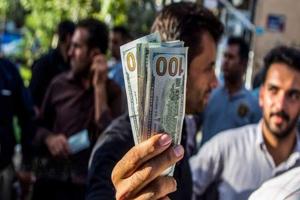
People are exhausted in a way that goes beyond tired. Power cuts from disrupted Iranian gas, a currency under pressure, and now the airports closed again. This is the exhaustion of a nation that has been through too much for too long.
If the ceasefire is gone, Iraq already knows what comes next. It has lived this before. It will absorb it again, quietly, at a cost nobody outside its borders will bother to count.
Baghdad has yet to say a word publicly about Sunday’s events. That silence is its own statement.