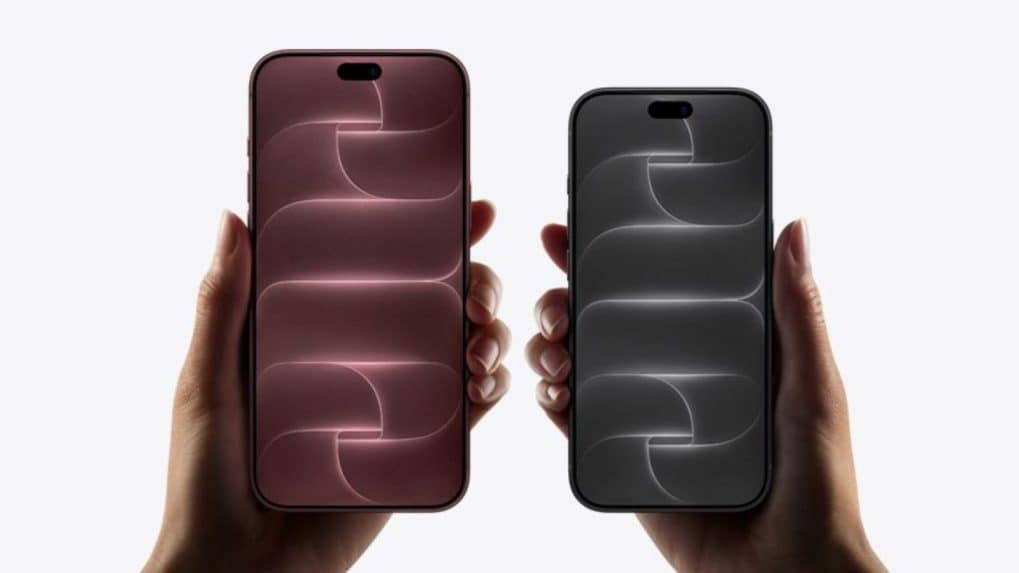
Customers buying the iPhone 18 Pro, iPhone 18 Pro Max or iPhone Duo can get up to ₹7,000 in cashback, while the iPhone 17 is eligible for up to ₹5,000.
The iPhone Air gets ₹4,000, the iPhone 17e and iPhone 16 ₹3,000 each, and the iPhone 15 ₹2,000, Moneycontrol reported.
The offers come after substantial price increases across Apple's iPhone range in India.
The iPhone 17 now starts at ₹99,900, up from ₹82,900, while the iPhone 18 Pro and Pro Max begin at ₹1,64,900 and ₹1,79,900.
At the top of the range, the iPhone 18 Pro reaches ₹3,14,900 for the 2TB model, the Pro Max ₹3,29,900, and the Duo ₹4,49,900.
Apple is leaning harder on cashback, trade-ins and longer-tenure financing in India as it raises the price of its latest iPhones and pushes deeper into the premium end of the market. The strategy comes as the company also uses a powerful launch and creator ecosystem to turn new products into objects of anticipation, helping support demand even as sticker shock grows.
The shift is visible in the latest offers across Apple's portfolio. Customers buying the iPhone 18 Pro, iPhone 18 Pro Max or iPhone Duo can get up to ₹7,000 in cashback, while the iPhone 17 is eligible for up to ₹5,000. The iPhone Air gets ₹4,000, the iPhone 17e and iPhone 16 ₹3,000 each, and the iPhone 15 ₹2,000, Moneycontrol reported.
Trade-ins can reduce the effective price further. The report added, customers exchanging an older device can get an additional benefit of up to ₹10,000 on the iPhone Duo and iPhone 18 Pro range and up to ₹8,000 on the iPhone 17, depending on the value of the device being exchanged.
Apple is also giving buyers more time to pay. Eligible iPhone 17 purchases can be financed over 18 or 24 months at zero interest, while other models have different financing options. Card-based EMI purchases can get six months interest-free, with longer tenures available at a lower interest cost.
Its “iPhone for Life” plan takes the monthly-payment approach further. Customers pay 75% of the phone's price over 24 monthly instalments and the remaining 25% after two years, with no down payment and a 24-month interest-free EMI, as per the Moneycontrol report.
The offers come after substantial price increases across Apple's iPhone range in India. The iPhone 17 now starts at ₹99,900, up from ₹82,900, while the iPhone 18 Pro and Pro Max begin at ₹1,64,900 and ₹1,79,900. The iPhone Duo, Apple's first foldable, starts at ₹2,99,900.
The iPhone Air has seen an even sharper increase. Its 1TB model now costs ₹2,24,900, up 40.6% from ₹1,59,900. The iPhone 17e is up by more than 23%, while the 128GB iPhone 16 now costs ₹89,900, a 28.6% increase.
At the top of the range, the iPhone 18 Pro reaches ₹3,14,900 for the 2TB model, the Pro Max ₹3,29,900, and the Duo ₹4,49,900.
Consumers haven't held back their reactions to the prices, with the internet erupting with jokes and memes. But Apple's response is not to retreat on pricing. Instead, it is trying to change the calculation consumers make when considering an upgrade—from the headline price of the device to the monthly cost after cashback, financing and trade-in benefits.
Apple arrives late to foldables—but with a different marketing problem
Samsung, Huawei, Xiaomi and other manufacturers have spent years building the foldable category, educating consumers about the form factor and working through early problems around durability, hinges and displays. Foldables still represent only around 2% of global smartphone shipments, according to the figures cited in the material.
Apple is entering that market with a very different proposition. It does not have to persuade consumers to buy a foldable phone from scratch. It can ask existing iPhone users whether their next iPhone should fold.
That distinction could make Apple's marketing challenge considerably easier.
The Duo is positioned at the very top of the iPhone portfolio, with a starting price of $1,999 globally. The strategy makes the foldable less of an experiment for early adopters and more of an extension of the premium iPhone franchise.
The likely early customer is therefore not necessarily a consumer abandoning an Android foldable. It could be an existing Pro Max owner moving further up the Apple price ladder.
That matters because Apple has spent years building an ecosystem that makes the iPhone more than an individual device. An existing customer may already have an Apple Watch, AirPods, an iCloud library, subscriptions, payment credentials, photos and years of accumulated data and habits tied to the platform.
Competitors can match a display specification or hinge design. Recreating that accumulated behavioural relationship is considerably harder.
The opportunity for Apple is consequently not simply to win a share of the existing foldable market. Its entry could help make foldables a more mainstream premium category while allowing Apple to capture a disproportionate share of the value created.
Figures cited in the material suggest Apple could ship as many as 6 million Duo units in its initial 2026 selling window, potentially giving it around a quarter of global foldable volumes and putting it behind Samsung. Those numbers would make the company's late entry particularly significant, although foldables remain a small part of the overall smartphone market.
The marketing machine behind the products
The hardware strategy is accompanied by another Apple advantage: the company's ability to turn product launches into cultural events.
A recent viral discussion on X highlighted the extent to which Apple's launch ecosystem now extends beyond conventional advertising. The post pointed to Apple's practice of bringing creators and influencers from around the world to flagship launches and giving them opportunities to interact, network and experience the event before the keynote.
The system around the launch is formidable. By the time Apple formally unveils a product, social feeds can already be filled with images, speculation, first impressions and behind-the-scenes content.
Apple is effectively turning its launch audience into a distributed media network.
The debate also underlines a larger shift in technology marketing. Samsung, Google, Xiaomi and others increasingly use creators and communities to generate anticipation, but Apple's advantage is the scale of the cultural attention already attached to the iPhone.
The product launch therefore becomes a feedback loop: creators generate content, social platforms amplify it, consumers become curious, curiosity drives demand and demand creates another round of content.
For a company raising prices, that attention has economic value.
Making the premium price easier to swallow
Apple is extending the same affordability strategy beyond the iPhone.
MacBook Pro buyers can receive up to ₹15,000 cashback, while the M5 MacBook Air qualifies for up to ₹10,000. The MacBook Neo gets ₹7,000 and the iMac and Mac mini ₹5,000. Eligible Mac purchases can also receive trade-in benefits, with the MacBook Pro offering up to ₹10,000 depending on the value of the old device.
The iPad Pro, iPad Air, iPad mini and entry-level iPad are eligible for cashback of up to ₹4,000. Apple Watch buyers can receive up to ₹4,000 on the Watch Ultra 4 and Series 12, while the Watch SE 3 gets up to ₹2,000.
The offers extend to AirPods, HomePod and Beats products as well.
Banking and financing partners include Axis Bank, ICICI Bank, SBI Card, Bajaj Finance, HDB, IDFC First and TVS Credit, while Cashify and Servify are among the trade-in partners, according to retail sources.
The timing matters. With the festive season approaching, smartphone makers are increasingly moving away from straightforward price discounts towards affordability-led propositions built around EMIs, exchange bonuses and flexible repayment.
For Apple, the approach serves two purposes at once. It cushions consumers from higher upfront prices without forcing the company to reverse its premium pricing strategy, while financing can make higher-priced models such as the Pro Max and Duo accessible to buyers who would otherwise defer an upgrade.
The bigger test is whether that formula can sustain Apple's premiumisation story as prices rise.
First Published on September 14, 2026, 08:48:25 IST