Live Eventsas a Reliable and Trusted News Source Addas a Reliable and Trusted News Source Add Now!
Revenue from operations increased marginally by 1% year-on-year to Rs 22,438 crore during the January-March period.The airline’s earnings were impacted by higher fuel expenses, softer yields and disruptions linked to geopolitical tensions in the Middle East, which have forced airlines globally to contend with longer flight paths, higher operating costs and airspace restrictions.IndiGo reported a 3.4% increase in capacity, measured in available seat kilometres (ASKs), to 43.6 billion during the quarter.
However, passenger traffic declined 1.1% year-on-year to 31.6 million passengers.
Load factor also slipped by 1.7 percentage points to 85.8%.Yield, a key measure of average fare earned per passenger per kilometre, declined 2% year-on-year to Rs 5.2, putting additional pressure on operating profitability.Also read |The carrier has been aggressively expanding its international footprint over the past year, adding new overseas destinations and increasing frequencies on key routes.Industry executives said the expansion strategy, coupled with elevated fuel prices and supply chain-related aircraft constraints, has increased cost pressures across the sector.Indian airlines have also been grappling with higher lease rentals and maintenance expenses due to engine-related issues affecting parts of their fleets.
Several carriers have had aircraft grounded because of supply chain bottlenecks and delays in engine overhauls.Despite near-term profitability pressures, analysts expect passenger demand in the domestic aviation market to remain resilient, supported by strong leisure travel and rising international traffic from India.However, fare increases may become inevitable if crude oil prices remain elevated for a prolonged period.The airline had recently indicated that maintaining operational efficiency and sustaining market share would remain key priorities even as the sector navigates uncertainty arising from geopolitical tensions and volatile input costs.It may be noted here that IndiGo continues to dominate India's domestic aviation market with a market share of over 60%, maintaining a significant lead over rival airline in the country's fast-growing aviation sector.
Live Events
as a Reliable and Trusted News Source Addas a Reliable and Trusted News Source Add Now!
(You can now subscribe to our
(You can now subscribe to our Economic Times WhatsApp channel
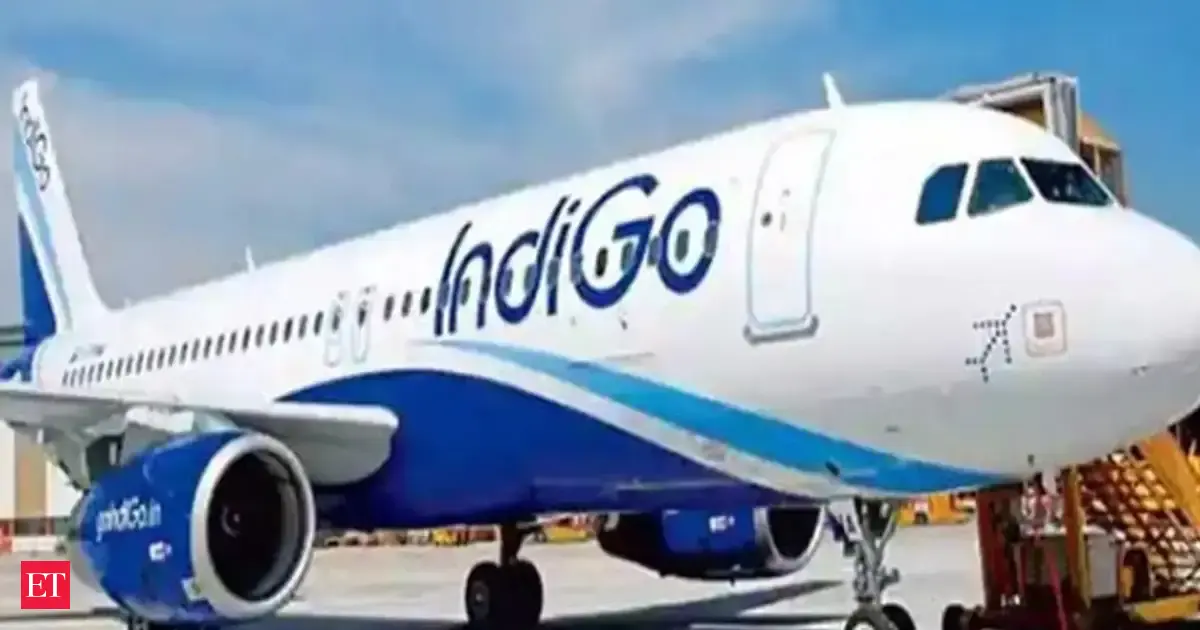
India's top airline IndiGo said on May 29 that it will pass on higher fuel expenses -- both domestically and internationally.Besides, the airline said it will explore if fuel hedging is an option, given the current volatility in prices, news agency Reuters quoted a top company executive as saying.It would mean that the airline will pass on the impact of higher aviation turbine fuel (ATF) costs to passengers in both domestic and international routes, while also evaluating fuel hedging strategies amid heightened volatility in global crude oil prices triggered by the Middle East conflict.The airline’s management said fuel prices remain a key variable for the aviation sector and added that the carrier will continue to calibrate fares in line with market conditions.IndiGo also said it is studying whether fuel hedging can be adopted as a risk-mitigation tool, as several global airlines use such strategies to shield margins from sharp swings in oil prices.Also read |The announcement followed the budget carrier reporting a net loss of Rs 2,536 crore for the fourth quarter of FY26, compared with a profit of Rs 3,067 crore in the preceding quarter. Revenue from operations increased marginally by 1% year-on-year to Rs 22,438 crore during the January-March period.The airline’s earnings were impacted by higher fuel expenses, softer yields and disruptions linked to geopolitical tensions in the Middle East, which have forced airlines globally to contend with longer flight paths, higher operating costs and airspace restrictions.IndiGo reported a 3.4% increase in capacity, measured in available seat kilometres (ASKs), to 43.6 billion during the quarter. However, passenger traffic declined 1.1% year-on-year to 31.6 million passengers. Load factor also slipped by 1.7 percentage points to 85.8%.Yield, a key measure of average fare earned per passenger per kilometre, declined 2% year-on-year to Rs 5.2, putting additional pressure on operating profitability.Also read |The carrier has been aggressively expanding its international footprint over the past year, adding new overseas destinations and increasing frequencies on key routes.Industry executives said the expansion strategy, coupled with elevated fuel prices and supply chain-related aircraft constraints, has increased cost pressures across the sector.Indian airlines have also been grappling with higher lease rentals and maintenance expenses due to engine-related issues affecting parts of their fleets. Several carriers have had aircraft grounded because of supply chain bottlenecks and delays in engine overhauls.Despite near-term profitability pressures, analysts expect passenger demand in the domestic aviation market to remain resilient, supported by strong leisure travel and rising international traffic from India.However, fare increases may become inevitable if crude oil prices remain elevated for a prolonged period.The airline had recently indicated that maintaining operational efficiency and sustaining market share would remain key priorities even as the sector navigates uncertainty arising from geopolitical tensions and volatile input costs.It may be noted here that IndiGo continues to dominate India's domestic aviation market with a market share of over 60%, maintaining a significant lead over rival airline in the country's fast-growing aviation sector.