India Records Over 26,000 Measles Cases In 12 Months: How Long Does The Vaccine Keep You Safe?
India has recorded 26,627 measles cases, making it the country with the second-highest number of reported cases globally, according to recent World Health Organization (WHO) data.
How Long Does the Measles Vaccine Offer Protection?
India has recorded over 26,000 measles cases in 12 months.
First Published: July 18, 2026, 13:34 ISTNews lifestyle health-and-fitness India Records Over 26,000 Measles Cases In 12 Months: How Long Does The Vaccine Keep You Safe?
India Records Over 26,000 Measles Cases In 12 Months: How Long Does The Vaccine Keep You Safe?
Written By :
,
Last Updated: July 18, 2026, 13:38 IST
Measles complications include ear infections, pneumonia (1 in 20 cases), encephalitis (1 in 1,000), diarrhea, blindness, and in severe cases, death.
Rapid Read
Symptoms typically appear 10–14 days after exposure, starting with high fever (up to 105°F), cough, runny nose, and red watery eyes—often mistaken for a common cold.
India has recorded 26,627 measles cases, making it the country with the second-highest number of reported cases globally, according to recent World Health Organization (WHO) data. The sharp rise comes as measles outbreaks continue to affect countries across every region of the world, highlighting persistent gaps in vaccination coverage and surveillance. Health experts warn that even a temporary drop in immunisation rates can leave large numbers of children vulnerable to this highly contagious viral disease.
According to the WHO and the US Centers for Disease Control and Prevention (CDC), measles is among the most contagious infectious diseases. It spreads through coughing, sneezing and even by breathing air contaminated by the virus.
A single infected person can transmit the disease to up to 90% of unvaccinated people in close contact. Recent outbreaks have largely been linked to declining vaccination coverage, missed childhood immunisations and immunity gaps that widened after the COVID-19 pandemic disrupted routine healthcare services.
What Is Measles and Why Is It So Contagious?
Measles is a viral infection caused by the measles virus, spreading through respiratory droplets when an infected person coughs, sneezes, or even talks. The virus can remain suspended in the air for up to two hours, making it one of the most infectious human diseases. One infected person can spread it to 12–18 others in an unvaccinated population.
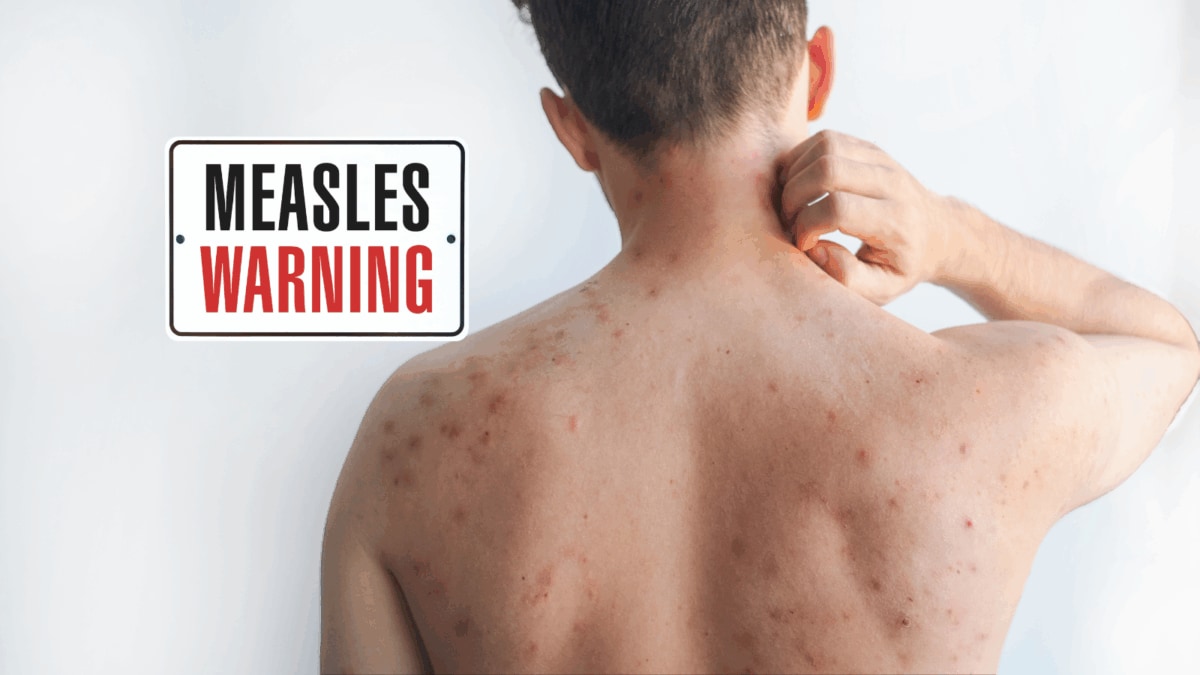
Symptoms typically appear 10–14 days after exposure, starting with high fever (up to 105°F), cough, runny nose, and red watery eyes—often mistaken for a common cold. A characteristic red blotchy rash then emerges, beginning on the face and spreading downward. Koplik spots (tiny white spots inside the mouth) may appear before the rash.
How Long Does the Measles Vaccine Offer Protection?
Two doses usually offer long-term, often lifelong protection. Clinical data shows antibody levels remain well above protective thresholds for at least 16 years, with most people maintaining immunity for life.
Breakthrough infections in fully vaccinated individuals are extremely rare and typically mild. Unlike some vaccines requiring boosters, MMR immunity is generally durable, though immunity testing may be recommended for high-risk adults (e.g., travelers or healthcare workers).
According to the Serum Institute of India, one dose of the measles-containing vaccine provides protection in around 93-95% of people, while two doses increase effectiveness to approximately 97-99%. Once both recommended doses are received, immunity generally lasts for life, and booster doses are not routinely required for healthy individuals.
When Should You Get The Measles Vaccine?
Under India’s Universal Immunisation Programme, children receive the Measles-Rubella (MR) vaccine in two doses:
First dose: At 9-12 months of age.
Second dose: At 16-24 months.
Completing both doses is essential because a small percentage of children do not develop immunity after the first dose. The second dose ensures that nearly everyone becomes protected.
Do Adults Need A Booster Shot For Measles?
Most adults who received two documented doses during childhood do not need revaccination.
However, vaccination may be recommended for adults who:
Have no vaccination records.
Never received two doses.
Are travelling to countries experiencing outbreaks.
Work in healthcare settings or other high-risk environments.
Anyone unsure of their vaccination status should consult a healthcare provider before considering vaccination.
When You Should See a Doctor?
If you or your child develops symptoms suggestive of measles, seek medical attention promptly. Early evaluation can prevent complications.
High fever (above 103°F/39.4°C) lasting more than 3 days
Cough, runny nose, and red watery eyes followed by a spreading red rash
Difficulty breathing, chest pain, or severe cough
Extreme drowsiness, confusion, or seizures
Persistent vomiting, diarrhea, or inability to drink fluids
Rash with signs of infection or if the person appears seriously ill
Act immediately if the patient is an infant under 1 year, pregnant, has a weakened immune system, or shows signs of dehydration. Even mild cases warrant a doctor visit for confirmation and guidance. Early intervention, including supportive care and vitamin A supplementation when needed, can significantly reduce risks. Do not self-medicate, professional assessment is essential.
Disclaimer: This article is for informational purposes only and is not a substitute for professional medical advice, diagnosis or treatment. Consult a qualified healthcare provider for vaccination guidance or any health-related concerns.
News18 Newsletter Handpicked stories, in your inbox A newsletter with the best of our journalism submit
Key Questions Answered What are the long-term health impacts of measles outbreaks? Measles complications can include pneumonia, encephalitis, diarrhea, and blindness. India has recorded over 26,000 measles cases in 12 months. Two doses of the measles vaccine generally provide lifelong protection. Outbreaks occur when vaccination coverage gaps persist. How can India improve its measles vaccination coverage? India can improve measles vaccination coverage by ensuring high vaccination rates across all communities, as pockets of under-vaccinated populations can fuel large outbreaks. Intensifying catch-up vaccination drives, like Mission Indradhanush, can rectify vaccination gaps.
First Published: July 18, 2026, 13:34 IST
News lifestyle health-and-fitness India Records Over 26,000 Measles Cases In 12 Months: How Long Does The Vaccine Keep You Safe?