News lifestyle health-and-fitness Illusion Of Healthy Vapes Goes Up In Smoke, Study Finds It Causes Decline In Lung FunctionIllusion Of Healthy Vapes Goes Up In Smoke, Study Finds It Causes Decline In Lung FunctionWritten By :,Last Updated: November 21, 2026, 08:20 ISTA new study links vaping with a decline in lung function among young adults.
Published in the journal Tobacco Control, the pilot study found a decline in lung function among young adults who used e-cigarettes over a period of approximately one year.
Researchers assessed their lung function at the beginning of the study and again after an average of approximately 12 months.
However, the research examined airway tissue in a laboratory model and does not establish that vaping causes lung cancer in people.
What are the limitations of the new vaping lung function study?
News lifestyle health-and-fitness Illusion Of Healthy Vapes Goes Up In Smoke, Study Finds It Causes Decline In Lung Function
Illusion Of Healthy Vapes Goes Up In Smoke, Study Finds It Causes Decline In Lung Function
Written By :
,
Last Updated: November 21, 2026, 08:20 IST
A new study links vaping with a decline in lung function among young adults. Read on to know what researchers have found.
3 Quick Answers
News18
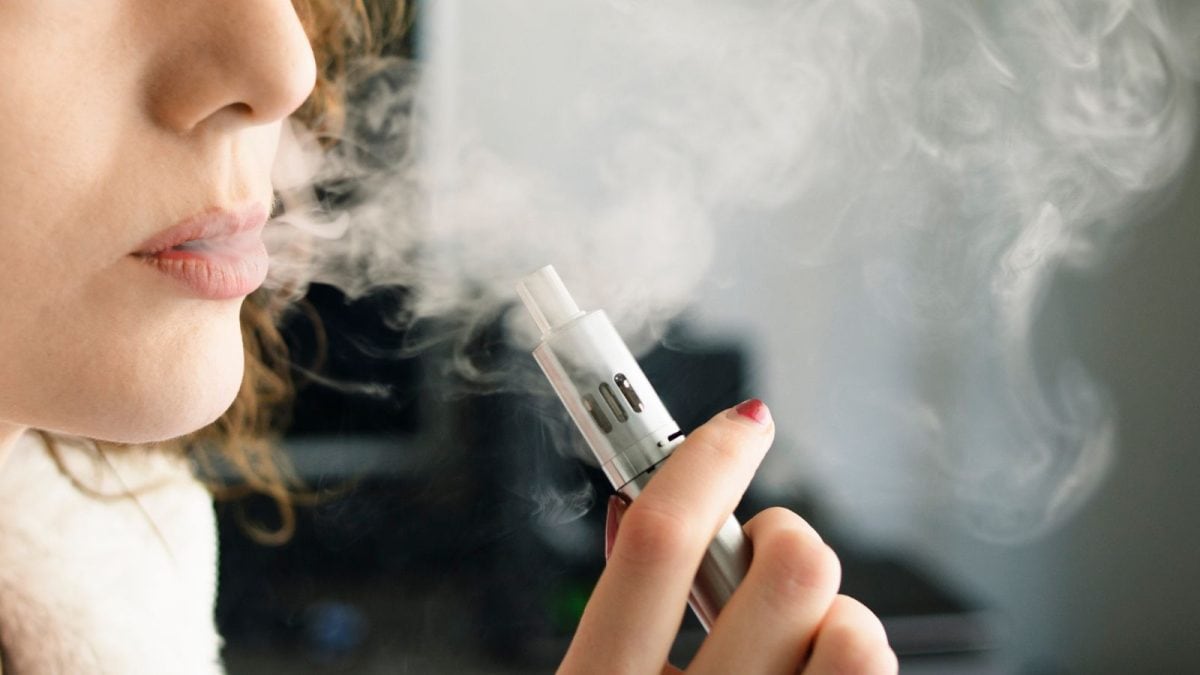
Vaping is often viewed by some users as a less harmful alternative to traditional cigarettes, but a new study has raised concerns about its potential long-term impact on lung health.
Published in the journal Tobacco Control, the pilot study found a decline in lung function among young adults who used e-cigarettes over a period of approximately one year.
The findings have prompted fresh questions about whether prolonged vaping could increase the risk of respiratory conditions such as chronic obstructive pulmonary disease (COPD). However, researchers and independent experts have cautioned that the study is small and does not establish that vaping causes irreversible lung damage.
What did the new study on vaping find?
The study, titled ‘Prolonged Effect of E-cigarette Use on Pulmonary Function: A Pilot Study’, examined 22 e-cigarette users aged between 21 and 35. Researchers assessed their lung function at the beginning of the study and again after an average of approximately 12 months.
One of the key measurements was forced expiratory volume in one second (FEV1), which measures how much air a person can forcefully breathe out in the first second after taking a deep breath. The study found an average decline of approximately 100 millilitres in FEV1 between the two assessments.
The researchers also observed larger declines among participants reporting more frequent daily vaping. Those vaping 30 or more times a day showed a decline of around 240 millilitres compared with those vaping zero to four times daily. However, the adjusted relationship between vaping frequency and lung-function decline was not statistically significant.
Why are doctors concerned about the findings?
As reported by the New York Post, Dr Mina Makaryus, director of the asthma centre at Northwell Health’s North Shore University Hospital and Long Island Jewish Medical Center, described the findings as a warning for people who vape.
“I think vapers should take this small pilot study as a wake-up call," Makaryus told the publication.
He warned that continued deterioration in lung function could potentially increase the risk of chronic respiratory conditions such as COPD, a progressive disease that causes airflow obstruction and breathing difficulties. He also told the New York Post that he had observed vaping associated with worsening asthma and obstructive lung disease among patients in his clinical practice.
However, the study has important limitations. It included only 22 participants, did not have a comparison group of people who neither smoked nor vaped, and relied on just two lung-function assessments. Independent experts have therefore said that larger studies with longer follow-ups are needed before firm conclusions can be drawn about the effects of vaping.
Another study examines how vaping affects airway tissue
Research into the respiratory effects of e-cigarettes is continuing. In a separate study published in November 2026, researchers at the University of California, Riverside, developed a laboratory-based method called hTET-AIR to examine how inhaled aerosols affect human airway tissue.
Using laboratory-grown human airway tissue, the researchers studied exposure to e-cigarette aerosols over three weeks. They observed increased mucus-producing cells and a change called squamous metaplasia, in which the normal airway lining begins to resemble skin-like tissue. This can affect the airways’ ability to clear mucus and trapped particles.
Prue Talbot, the senior author of the study, said in the University of California, Riverside press release that squamous metaplasia was concerning because it can be a precursor to squamous cell carcinoma, a type of lung cancer. However, the research examined airway tissue in a laboratory model and does not establish that vaping causes lung cancer in people.
The researchers plan to use the method to examine more e-cigarette products and understand why some individuals may be more vulnerable to airway damage.
News18 Newsletter Handpicked stories, in your inbox A newsletter with the best of our journalism submit
Quick Answers Powered by Ask News18 What did the pilot study in Tobacco Control find about e-cigarette use? The pilot study found an average decline of approximately 100 millilitres in forced expiratory volume in one second (FEV1) among 22 young adult e-cigarette users over a period of about 12 months. What are the limitations of the new vaping lung function study? Independent experts noted that the study included only 22 participants, lacked a control group of non-smokers and non-vapers, and relied on only two lung-function assessments, meaning larger studies with longer follow-ups are needed. How did the University of California Riverside study test e-cigarette aerosols? Researchers at the University of California, Riverside, used a laboratory-based method called hTET-AIR on human airway tissue over three weeks to examine how inhaled aerosols affect tissue cells, observing increased mucus-producing cells and squamous metaplasia. Powered by Ask News18
About the Author Abigail Banerji Senior Sub Editor Abigail Banerji is a Senior Sub Editor with News18's English desk. She brings 6 years of experience across both print and digital newsrooms, spanning editorial planning, reportage, copy editing, conte... Read More
ADD YOUR COMMENT
First Published: November 21, 2026, 08:20 IST