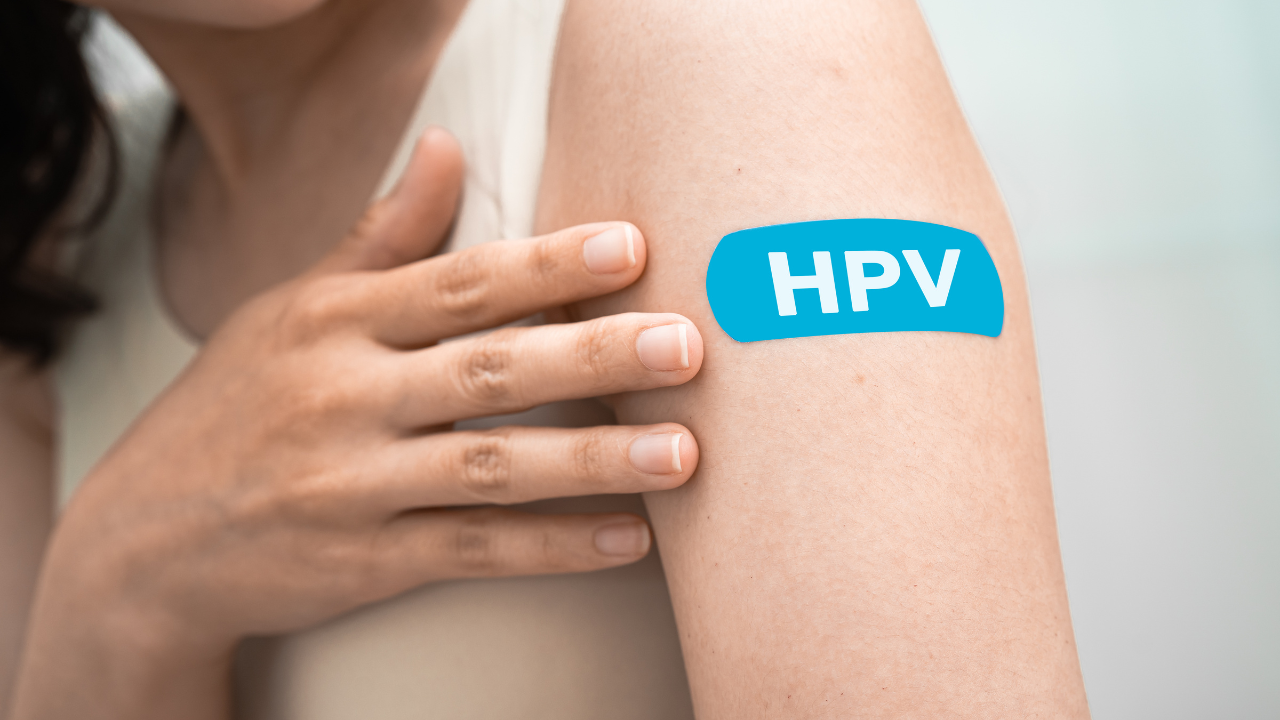
One of the biggest misconceptions surrounding the HPV vaccine is that it is linked to future behaviour rather than future health.
The vaccine works best when the immune system sees HPV for the first time through vaccination rather than through natural infection.
Why doctors recommend vaccination between 9 and 14 yearsParents often wonder whether nine years is too young for a vaccine linked to cervical cancer.
During early adolescence, the immune system produces a particularly strong response to the HPV vaccine.
Introducing the vaccine during this adolescent window ensures the strongest possible immune response, protecting young girls long before they are ever exposed to the virus."
One of the biggest misconceptions surrounding the HPV vaccine is that it is linked to future behaviour rather than future health. Doctors say this misunderstanding often leads families to postpone vaccination until it is less effective.
Dr Rupinder Sekhon, Principal Lead – Gynae-Oncology & Robotic Surgery, Apollo Athenaa Women's Cancer Centres (AAWCC), explained, "The Human Papillomavirus (HPV) vaccine represents one of the most significant advancements in preventive medicine, serving as a powerful, life-saving shield against cervical cancer—a disease that continues to claim thousands of women's lives across India every year. For parents, understanding the timing of this vaccine is crucial."
The vaccine works best when the immune system sees HPV for the first time through vaccination rather than through natural infection. That is why doctors recommend giving it before any exposure to the virus, not because a child is at immediate risk, but because the body develops stronger and longer-lasting protection during early adolescence.
In many ways, experts compare it to wearing a seatbelt before a car journey begins. Its purpose is protection in advance, not after danger appears.
Why doctors recommend vaccination between 9 and 14 years
Parents often wonder whether nine years is too young for a vaccine linked to cervical cancer.
The answer lies in biology rather than age.
During early adolescence, the immune system produces a particularly strong response to the HPV vaccine. This means children vaccinated between 9 and 14 years generally develop excellent immunity with fewer doses than older individuals.
Dr Sekhon said, "The World Health Organization and pediatric experts emphasize that the optimal window for administration is between the ages of 9 and 14. Introducing the vaccine during this adolescent window ensures the strongest possible immune response, protecting young girls long before they are ever exposed to the virus."