Necessity vs excessToday, there is protein everywhere—protein shakes, high-protein snack bars, high-protein meals, and so on.
Seek medical adviceA high-protein diet also may strain the kidneys of those with kidney disease.
The protein needs of most healthy adults can be easily achieved with normal food intake.
The recommended protein intake depends on one’s weight, activity level and overall health.
Protein is a key component of a healthy diet, but it should not be at the expense of overall nutrition.
Protein is essential but not in limitless quantities. As high-protein diets dominate fitness trends and supermarket shelves, Himanshi Sharma, chief clinical nutritionist at ISIC Multispecialty Hospital, New Delhi, explains the importance of balancing it with fibre, whole grains and other nutrients. She cautions that long-term health depends on a well-rounded diet rather than chasing protein alone.
Necessity vs excess
Today, there is protein everywhere—protein shakes, high-protein snack bars, high-protein meals, and so on. Many fitness influencers and popular bloggers encourage consuming more protein in order to burn weight, gain muscle and promote wellbeing. Protein is a necessary nutrient, but too much isn't necessarily a good thing.
Read Full Story
The key issue is whether one is getting the right quantity of protein, from the right sources, and striking the right balance with other foods. Protein aids muscle growth and repair, functioning of the immune system and hormone/enzyme production. It prolongs satiety. But many people are consuming too much protein without knowing the consequences.
A balanced plate
Many individuals tend to cut on healthy carbohydrates and fibre foods to accommodate additional protein. Whole grains, fruits, vegetables and legumes have important vitamins, minerals and fibre needed for digestion, heart health and gut wellness. The absence of any of those nutrients could cause constipation, indigestion and nutrient deficiency.
Another worry is the protein source. Pulses, beans, dairy, eggs, skinless chicken and fish are good sources of lean protein. If most of the protein is from canned protein products, too much red meat or processed meats, it may result in excess of saturated fat, sodium, preservatives and added sugars. This can increase the risk of heart disease, high blood pressure and other lifestyle issues.
Seek medical advice
A high-protein diet also may strain the kidneys of those with kidney disease. For healthy people, a moderate increase of protein is okay, but for those with kidney disease, protein supplementation should only be undertaken under the guidance of a healthcare professional.
There is also the belief that one must increase protein intake to gain muscle whereas building muscle needs a balance of all the right nutrients, strength training, rest and a balanced nutrition.
Supplements not for all
Another misconception is that everyone needs to take protein supplements. The protein needs of most healthy adults can be easily achieved with normal food intake. Supplements should be taken only if advised by a healthcare provider/dietitian. The recommended protein intake depends on one’s weight, activity level and overall health. Nutritional requirements vary by age and activity. That's why there is no universal recommendation for protein consumption.
Long-term wellbeing
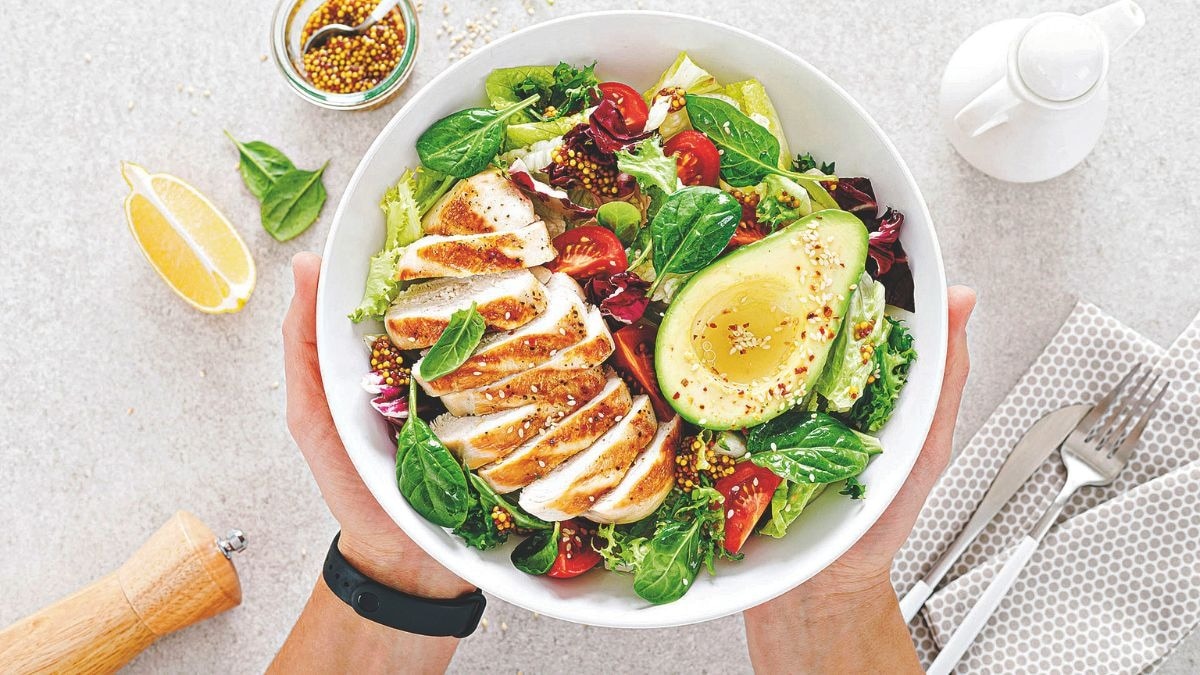
People shouldn't only increase their protein but should try to create a balance plate with quality protein, whole grains, healthy fats, fruits and vegetables. The best way to stay healthy for the long haul is to vary your foods. Protein is a key component of a healthy diet, but it should not be at the expense of overall nutrition. The key to long-term wellbeing is sustainable eating, not extreme diets.
advertisement
Subscribe to India Today Magazine
- Ends