Fitbit is bringing its smallest fitness tracker yet to India in October, with the Fitbit Air aimed at people who want health and activity tracking without wearing a conventional smartwatch.
The company positions Fitbit Air as a simpler tracker that can be worn continuously, including while sleeping.
The arrival of Fitbit Air in India comes as wearable makers continue to explore alternatives to feature-heavy smartwatches.
While smartwatches increasingly combine health monitoring with notifications, apps, calls and other connected features, Fitbit Air takes a more stripped-back route.
For Fitbit, the October India launch represents an attempt to make continuous health tracking available in a smaller and less conspicuous form.
Fitbit is bringing its smallest fitness tracker yet to India in October, with the Fitbit Air aimed at people who want health and activity tracking without wearing a conventional smartwatch. Pricing is yet to be announced.
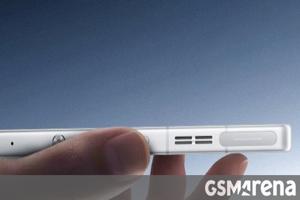
The new device takes a different approach to wearables. It has no display, keeps its profile deliberately small and is designed to remain on the wrist throughout the day and night. Instead of showing information on the device itself, Fitbit Air works with the Google Health app, where users can view their health and fitness data.
Fitbit says the device is intended to address some of the barriers that can discourage people from using wearables, including their size, complexity and cost. The company positions Fitbit Air as a simpler tracker that can be worn continuously, including while sleeping.
Despite its small size, Fitbit Air includes a range of sensors for health and fitness monitoring. It can track heart rate continuously and monitor heart rhythm, including providing alerts for signs of atrial fibrillation (Afib). Other measurements include blood oxygen saturation (SpO2), resting heart rate, heart rate variability, sleep stages and sleep duration.
The absence of a screen is central to the device's design. There are no on-wrist notifications or apps to check, with Fitbit instead directing users to their phone when they want to examine their data or receive more detailed insights.
The tracker is also designed with sleep monitoring in mind. Its small and lightweight form is intended to make wearing it overnight less intrusive. Fitbit says users can also switch between a Pixel Watch during the day and Fitbit Air at night while continuing to track their health data.
Battery life is rated at up to seven days, although usage and settings can affect how long the device lasts between charges. Fitbit also says five minutes of fast charging can provide enough power for a full day.
Activity tracking does not require users to manually record every workout. Fitbit Air can automatically recognise common forms of exercise and provide a summary through the Google Health app. Users can also start workouts from the app, follow guided sessions or record activities manually.
Picture: The Telegraph / Mathures Paul
The device is being positioned alongside Google's Health Coach, which uses health and activity information to provide personalised guidance and recommendations. Fitbit says the combination is intended to give users a broader picture of their wellbeing rather than focusing solely on individual fitness measurements.
Some of the functionality is therefore tied to the wider Google Health ecosystem rather than the tracker itself. The phone becomes the place where users can examine trends and insights, while the Fitbit Air primarily acts as the sensor worn on the wrist.
The tracker also supports interchangeable bands. Fitbit will offer a Performance Loop Band made partly from recycled materials, an Active Band made from silicone for exercise and wet conditions, and an Elevated Modern Band designed to resemble a more conventional bracelet.
The arrival of Fitbit Air in India comes as wearable makers continue to explore alternatives to feature-heavy smartwatches. While smartwatches increasingly combine health monitoring with notifications, apps, calls and other connected features, Fitbit Air takes a more stripped-back route.
Its appeal will ultimately depend on whether users prefer having health data available without the distractions of a screen. For Fitbit, the October India launch represents an attempt to make continuous health tracking available in a smaller and less conspicuous form.