ADVERTISEMENT3 / 11 Himachal Pradesh is among the best-known examples.
Large-scale acquisition by wealthier buyers from outside the state can put pressure on land prices and make it harder for local residents to retain or acquire land.
Land restrictions can therefore work alongside broader planning and environmental regulations.
Agricultural land, tribal land, residential property and land within municipal areas can be governed by different rules.
In Himachal Pradesh, for instance, the law provides specific exceptions and government-permission routes.
Dream Of Buying A Home In The Hills? These Indian States Have Strict Land Rules
Last Updated: August 08, 2026, 17:52 IST
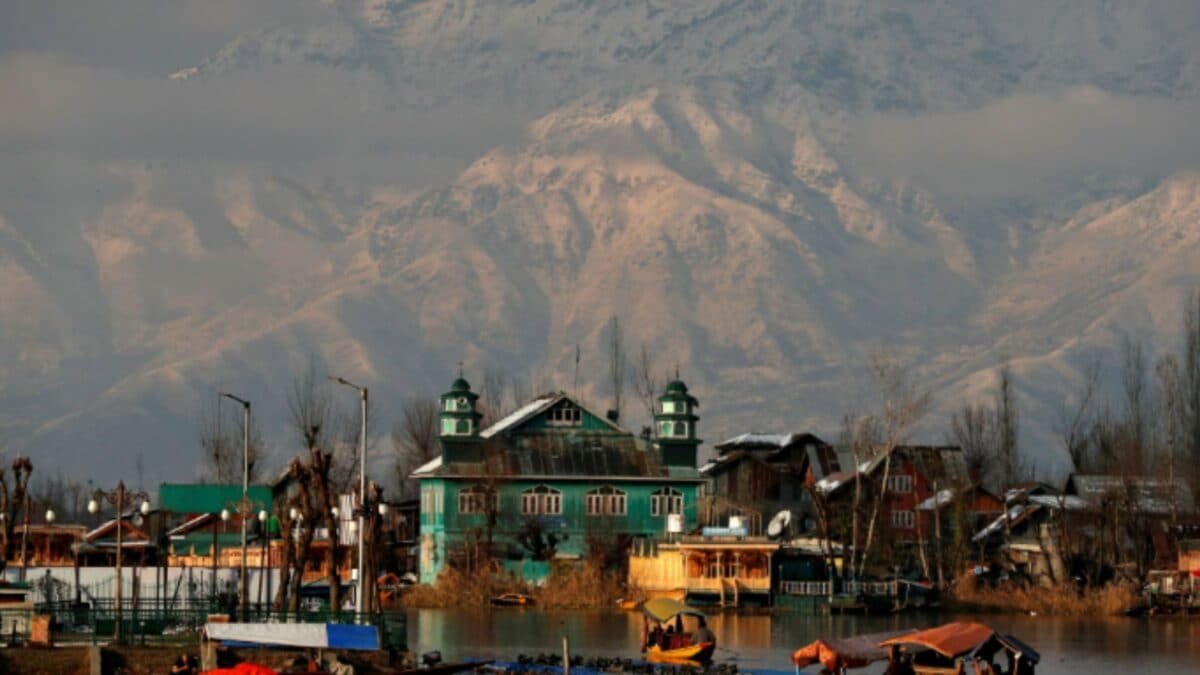
1 / 11 India's mountains may be a dream destination for tourists and property buyers, but owning a piece of land there is not always as simple as it is elsewhere in the country.
2 / 11 Several hill and northeastern states have special laws restricting the purchase or transfer of certain categories of land by people who are not local residents or eligible agriculturists. These restrictions have developed over decades, with governments citing the need to protect local communities, agricultural land, cultural identity and the fragile ecology of mountainous regions.
ADVERTISEMENT
3 / 11 Himachal Pradesh is among the best-known examples. Under Section 118 of the Himachal Pradesh Tenancy and Land Reforms Act, non-agriculturists generally cannot freely acquire land, although the law provides exceptions and allows the state government to grant permission for specified purposes.
4 / 11 Several hill and northeastern states — including Himachal Pradesh, Uttarakhand, Jammu & Kashmir, Sikkim, Arunachal Pradesh, Nagaland, Mizoram and Meghalaya — have laws or special provisions restricting the purchase or transfer of certain categories of land by people who are not local residents or otherwise eligible to acquire it. The exact rules vary significantly from state to state.
ADVERTISEMENT
5 / 11 In Jammu & Kashmir, land ownership rules have changed significantly following the changes introduced after 2019, although restrictions continue to apply to certain categories and areas under applicable laws.
6 / 11 In the Northeast, states such as Arunachal Pradesh, Nagaland, Mizoram and Meghalaya have special protections governing land ownership and transfer. These are particularly important in areas where land is closely linked to tribal and customary rights. Sikkim also has specific restrictions governing land transfers and ownership.
ADVERTISEMENT
7 / 11 Unlike the plains, the amount of usable and cultivable land in mountainous regions is limited. Large-scale acquisition by wealthier buyers from outside the state can put pressure on land prices and make it harder for local residents to retain or acquire land.
8 / 11 In several hill and tribal regions, land is closely connected with community identity, traditional livelihoods and cultural practices. Residents have repeatedly raised concerns that unrestricted outside investment could alter the demographic and social character of their regions.
ADVERTISEMENT
9 / 11 Mountains are environmentally sensitive. Large-scale construction, unplanned tourism and rapid urbanisation can put pressure on forests, water sources and slopes. Land restrictions can therefore work alongside broader planning and environmental regulations.
10 / 11 The claim that “outsiders cannot buy land in the mountains” is an oversimplification.
The rules vary from state to state and even according to the type and location of the property. Agricultural land, tribal land, residential property and land within municipal areas can be governed by different rules. In Himachal Pradesh, for instance, the law provides specific exceptions and government-permission routes.
ADVERTISEMENT