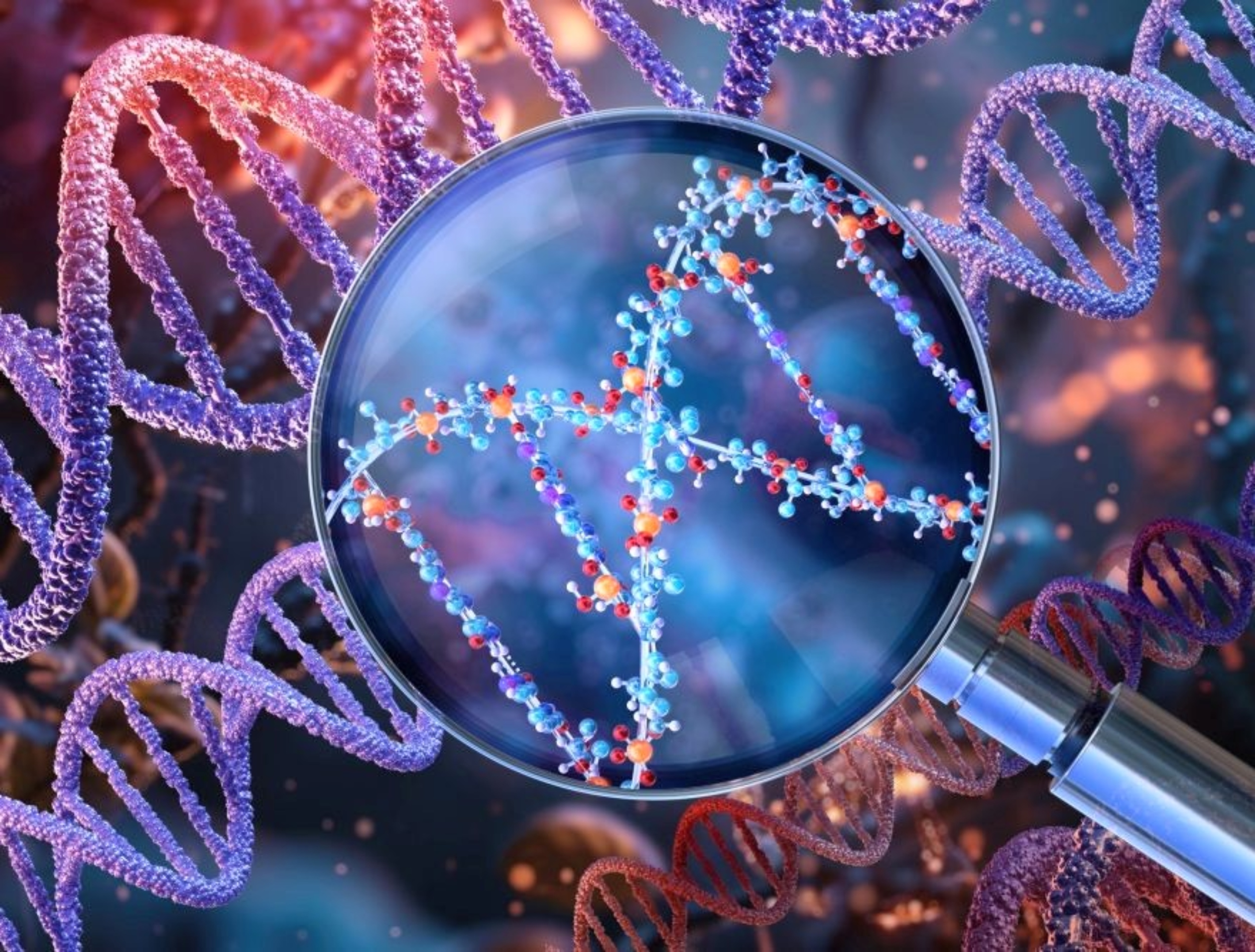
Testing DNA from extinct humansUntil now, most work on this ancient DNA stopped at locating it.
No one had measured this inherited DNA at such a scale within these populations before, and the finding reshaped how scientists view it.
Ancient DNA boosts immunityA striking share of this still-active DNA clustered in one place, the body’s immune system.
Ancient DNA with modern effectsBefore this work, the DNA we carry from extinct cousins looked mostly like background noise, ancient and inert.
For doctors and researchers, the payoff is a clearer view of how inherited DNA influences disease and survival in populations that genetics has largely overlooked.
Ancestry test results now tell people, almost as a fun fact, that they carry a sliver of Neanderthal DNA. It has become a quirky line in a family report, a souvenir from a chapter that feels safely closed.
A new study of communities scattered across the South Pacific tells a different story.
The ancient DNA we carry is not idle at all – some of it is still flipping genetic switches inside our cells, with real consequences for health.
Looking beyond European DNA
For decades, the giant catalogs that map human DNA leaned heavily on people of European descent.
Whole regions of the world barely appeared, and the South Pacific sat among the largest blank spaces.
Serena Tucci, an assistant professor of anthropology at Yale University who leads the Yale Human Evolutionary Genomics Laboratory, set out to close that gap.
She has warned that the drastic underrepresentation of these communities could widen health inequalities as medicine becomes increasingly genetic.
Her team sequenced the full genomes of 177 people across a dozen communities in Near Oceania, the southwestern Pacific stretching across Papua New Guinea and the surrounding island groups.
Those results were compared with the DNA of roughly 1,300 people worldwide.
Denisovans left more behind
The deeper the team looked, the stranger the family tree became.
The islanders’ ancestors reached the region at least 45,000 years ago, and there they had children with a group of extinct human relatives called the Denisovans.
A people known from only a handful of fossil fragments first found in a Siberian cave.
And not just once. The genetic record shows these early settlers mixed with at least three distinct Denisovan-related groups, a history far busier than a single ancient encounter.
DNA like this has surprised scientists before. One study traced the ability of Tibetans to thrive in thin mountain air to a gene passed down from Denisovans, a sign that these ancient unions sometimes gave people an edge.
Testing DNA from extinct humans
Until now, most work on this ancient DNA stopped at locating it. Researchers could spot a fragment sitting in our DNA and guess at its function, but guessing is not the same as knowing what it truly does.
So the team built a different kind of test. They inserted thousands of these inherited bits of DNA into living cells at once and watched each one at work. Some genes flared up. Others fell quiet.
More than 3,100 of them changed gene expression, affecting how strongly a nearby gene switches on.
No one had measured this inherited DNA at such a scale within these populations before, and the finding reshaped how scientists view it. It was not background noise. The fragments long dismissed as leftovers were quietly helping run parts of the body.
Earlier efforts had managed to resurrect this ancient DNA. The new work went further, showing that these inherited bits of DNA actively switch genes on and off, evidence that they still help regulate the body today.
Ancient DNA boosts immunity
A striking share of this still-active DNA clustered in one place, the body’s immune system.
Many of these fragments gathered around the mechanisms cells use to detect and fight invaders, the front line against infection.
Ancient settlers moving into the islands encountered unfamiliar viruses and bacteria, and earlier research had already hinted that Denisovan DNA helped strengthen their defenses. The new experiments put that hunch on firmer ground.
Patrick Reilly, the study’s first author and a research scientist in Tucci’s lab, describes germs as one of evolution’s harshest forces, weeding out those who could not fight off infection.
“Genes inherited from Denisovans bolstered immunity to viruses and bacteria,” Reilly said. The evidence suggests that this Denisovan inheritance helped early islanders survive that gauntlet.
Evolution repeats a useful trick
Defense was not the only thing this DNA influenced. Some Denisovan DNA is tied to how the body grows its bones, affecting a gene that helps build the skeleton.
What makes that finding unusual is where else the same gene appears. It carries strong signs of natural selection in rainforest hunter-gatherer communities in central Africa. Similar signals also appear in mountain communities high in Ecuador, thousands of miles from the Pacific.
Three far-flung corners of the world appear to have relied on the same stretch of DNA. The same genetic solution proved useful again and again as separate groups adapted to the pressures of demanding environments.
Ancient DNA with modern effects
Before this work, the DNA we carry from extinct cousins looked mostly like background noise, ancient and inert.
Now there is direct evidence that much of it still works, switching genes on and off and likely strengthening the body’s defenses while influencing how bones grow.
That has practical implications. Ancient DNA like this already appears in modern medicine. One study tied a stretch of Neanderthal DNA to a higher risk of severe COVID-19.
Researchers say that reading this inherited DNA more accurately could improve treatments for communities long left out of genetic research.
For doctors and researchers, the payoff is a clearer view of how inherited DNA influences disease and survival in populations that genetics has largely overlooked.
The Denisovans vanished long ago, yet their genetic legacy is still woven through the people living in the region today, a thread linking the deep past to the present.
The study is published in the journal Science.
—–
Like what you read? Subscribe to our newsletter for engaging articles, exclusive content, and the latest updates.
Check us out on EarthSnap, a free app brought to you by Eric Ralls and Earth.com.
—–