Key FactsPotentiated Motor Efficacy: Combining freeze-dried bee venom with standard L-DOPA/carbidopa restored forelimb symmetry and significantly reduced paw-dragging compared to standard dopaminergic therapy alone.
Combining freeze-dried bee venom with standard L-DOPA/carbidopa restored forelimb symmetry and significantly reduced paw-dragging compared to standard dopaminergic therapy alone.
Adding freeze-dried bee venom to standard L-DOPA/carbidopa therapy significantly enhances motor coordination and cognitive memory in mouse models of Parkinson’s disease.
Bee venom contains biologically active compounds, including melittin, phospholipase A2, and apamin, which have demonstrated anti-inflammatory, antioxidant, and neuroactive properties.
The findings showed that bee venom enhanced several behavioral outcomes when combined with standard Parkinson’s therapy.
Summary: Using a 6-hydroxydopamine (6-OHDA) mouse model of Parkinson’s disease, the research team administered daily treatments of L-DOPA/carbidopa alone or in combination with bee venom from day 13 to day 30 post-lesion.
Behavioral assessments demonstrated that the combination therapy significantly outperformed standard L-DOPA/carbidopa alone. Mice receiving bee venom maintained near-normal forelimb symmetry, exhibited reduced paw-dragging, achieved superior lateralized motor recovery, and preserved novel object recognition memory.
These findings suggest that apitherapy components may serve as valuable adjuncts to standard dopaminergic drugs.
Key Facts
Potentiated Motor Efficacy: Combining freeze-dried bee venom with standard L-DOPA/carbidopa restored forelimb symmetry and significantly reduced paw-dragging compared to standard dopaminergic therapy alone.
Combining freeze-dried bee venom with standard L-DOPA/carbidopa restored forelimb symmetry and significantly reduced paw-dragging compared to standard dopaminergic therapy alone. Cognitive Function Preservation: In novel object recognition tasks, mice receiving the combination therapy retained short-term recognition memory, whereas untreated Parkinsonian mice and L-DOPA monotherapy groups exhibited persistent cognitive deficits.
In novel object recognition tasks, mice receiving the combination therapy retained short-term recognition memory, whereas untreated Parkinsonian mice and L-DOPA monotherapy groups exhibited persistent cognitive deficits. Superior Corridor Task Performance: The bee venom adjunct produced the highest degree of lateralized motor recovery in corridor behavioral tests, indicating enhanced sensorimotor integration.
The bee venom adjunct produced the highest degree of lateralized motor recovery in corridor behavioral tests, indicating enhanced sensorimotor integration. Multi-Target Bioactive Peptides: Bee venom contains neuroactive peptides like apamin (a selective blocker of small-conductance Ca2+-activated K+ channels) and anti-inflammatory enzymes like phospholipase A2, which may modulate basal ganglia circuitry.
Bee venom contains neuroactive peptides like apamin (a selective blocker of small-conductance Ca2+-activated K+ channels) and anti-inflammatory enzymes like phospholipase A2, which may modulate basal ganglia circuitry. Mechanism Unmapped: The authors emphasize that while behavioral gains were pronounced, the study did not measure dopaminergic neuron survival or neuroinflammatory biomarkers, leaving the precise cellular mechanism open for future investigation.
Source: University of Guadalajara
Parkinson’s disease (PD) is a progressive neurodegenerative disorder caused by the loss of dopamine-producing neurons, leading to motor symptoms such as tremors, rigidity, slowed movement, and impaired balance, as well as cognitive decline. Although current treatments help relieve symptoms, they cannot stop disease progression.
Levodopa (L-DOPA), given with carbidopa, remains the standard treatment for PD by restoring dopamine levels and improving motor function. However, its benefits often decline with long-term use, and complications such as motor fluctuations and dyskinesias may develop. These limitations have prompted the search for adjunct therapies that could improve treatment outcomes.
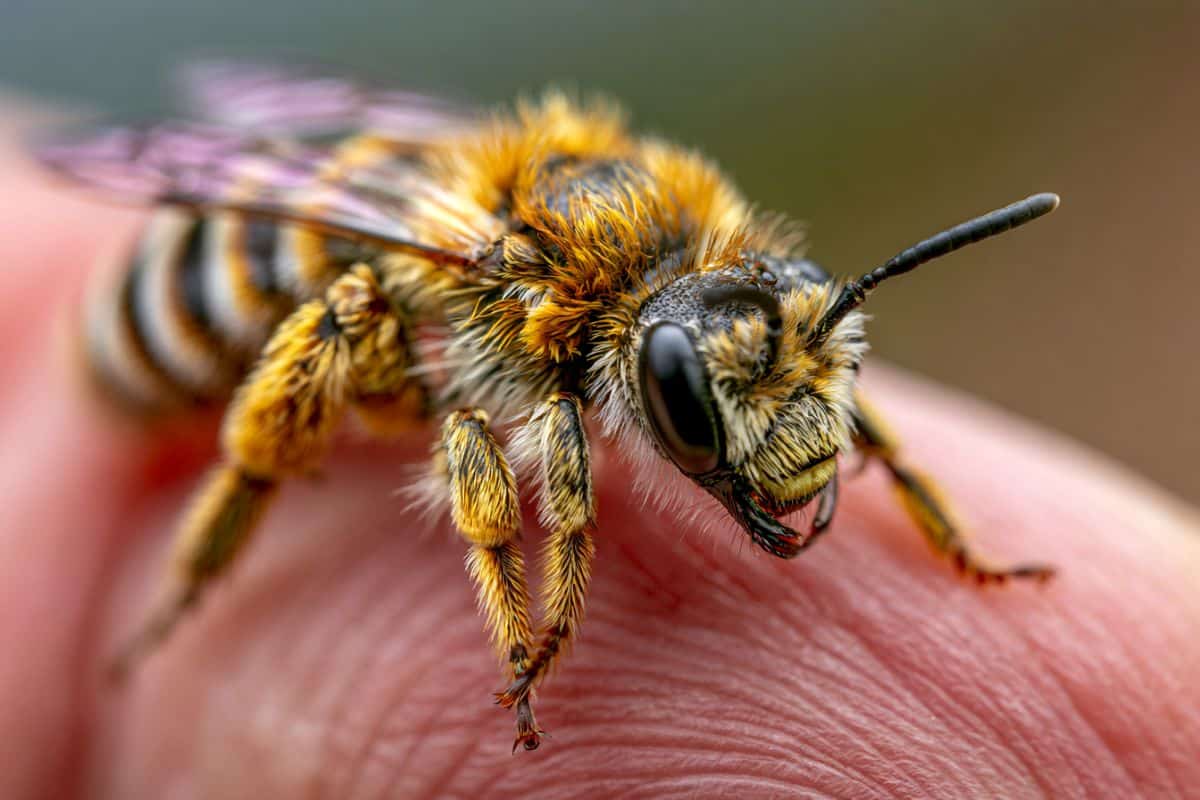
Adding freeze-dried bee venom to standard L-DOPA/carbidopa therapy significantly enhances motor coordination and cognitive memory in mouse models of Parkinson’s disease. Credit: Neuroscience News
In this context, researchers from the University of Guadalajara investigated whether bee venom could improve the therapeutic effects of L-DOPA/carbidopa in a mouse model of PD. Bee venom contains biologically active compounds, including melittin, phospholipase A2, and apamin, which have demonstrated anti-inflammatory, antioxidant, and neuroactive properties.
“We aimed to explore whether bee venom could potentiate the effects of standard therapy in a 6-hydroxydopamine (6-OHDA) model of Parkinson’s disease,” explained lead author Professor Alma Karen Lomeli-Lepe from the University of Guadalajara.
The study was published in Neuroprotection on May 20, 2026.
The researchers used a well-established 6-OHDA mouse model of Parkinson’s disease. Adult male CD-1 mice were assigned to healthy controls, untreated Parkinsonian mice, L-DOPA/carbidopa-treated mice, or mice receiving L-DOPA/carbidopa plus freeze-dried bee venom. Treatments were administered from day 13 to day 30 after lesion induction, and motor and cognitive function were assessed using the cylinder, paw-dragging, novel object recognition, and corridor tests.
The findings showed that bee venom enhanced several behavioral outcomes when combined with standard Parkinson’s therapy. Mice receiving the combination treatment maintained near-normal forelimb symmetry and exhibited less paw dragging than those treated with L-DOPA/carbidopa alone, indicating improved motor performance.
The therapy also delivered cognitive benefits. In memory assessments, bee venom-treated mice retained their ability to recognize novel objects, whereas untreated animals and those receiving standard therapy alone continued to exhibit cognitive deficits. In addition, the combination treatment produced the strongest recovery of lateralized motor behavior in the corridor task.
The study evaluated behavioral outcomes only and did not directly assess dopaminergic neuron survival or molecular markers of inflammation and oxidative stress. As a result, the biological mechanisms underlying the observed improvements remain to be established.
Overall, the results suggest that bee venom may amplify the functional benefits of L-DOPA/carbidopa, improving both motor and cognitive outcomes in experimental Parkinson’s disease.
“Our findings demonstrate promising behavioral benefits of bee venom as an adjunct to L-DOPA/carbidopa therapy, but further research is needed to understand the underlying mechanisms,” noted Prof. Lomeli-Lepe.
While additional research is required, these findings highlight a promising avenue for developing adjunct therapies aimed at improving outcomes for people living with Parkinson’s disease.
Key Questions Answered:
Q: Why do researchers look for adjunct therapies to combine with L-DOPA? A: While L-DOPA effectively replaces lost dopamine in early-stage Parkinson’s disease, long-term use frequently leads to drug resistance, wearing-off effects, and involuntary movement disorders known as L-DOPA-induced dyskinesias. Adjunct therapies aim to boost L-DOPA’s efficacy at lower doses or protect surviving neurons. Q: What active ingredients in bee venom are believed to help the brain? A: Bee venom contains several key bioactive compounds, including apamin (which blocks specific calcium-activated potassium channels to alter neural firing), melittin, and phospholipase A2. Together, these peptides exert anti-inflammatory, antioxidant, and neuromodulatory effects within central nervous system circuits. Q: Did the study prove that bee venom prevents brain cell death? A: No. The study focused exclusively on behavioral and functional outcomes (motor coordination, paw usage, and memory retention). The researchers noted that histological analyses of dopaminergic neuron survival and inflammatory markers are still required to determine whether bee venom actively halts neurodegeneration.
Editorial Notes:
This article was edited by a Neuroscience News editor.
Journal paper reviewed in full.
Additional context added by our staff.
About this neuropharmacology and Parkinson’s Disease research news
Author: Alma Karen Lomeli-Lepe
Source: University of Guadalajara
Contact: Alma Karen Lomeli-Lepe – University of Guadalajara
Image: The image is credited to Neuroscience News
Original Research: Open access.
“Bee venom enhances dopaminergic function and behavioral recovery in a murine model of Parkinson’s” by Silvia Josefina López-Pérez, Marco Antonio Noriega-Ruiz, Alma Karen Lomeli-Lepee. Neuroprotection
DOI:10.1002/nep3.70038
Abstract
Bee venom enhances dopaminergic function and behavioral recovery in a murine model of Parkinson’s
Background
Parkinson’s disease (PD) is characterized by progressive degeneration of dopaminergic neurons, leading to motor dysfunction and cognitive impairment. Although levodopa (l-DOPA)/carbidopa remains the gold standard therapy for PD, its efficacy declines over time, highlighting the need for adjuvant strategies that improve functional outcomes.
This study evaluated whether freeze-dried bee venom (BV) enhances the behavioral effects of l-DOPA/carbidopa in a murine model of PD.
Methods
Adult male mice (age: 3.0–3.5 months) were randomly assigned using a computer-generated randomization sequence to the following experimental groups: SHAM, animals that were injected with saline in the dorsomedial striatum (STR) (n = 6); 6-hydroxydopamine (6-OHDA) lesion, animals that received an injection of 6-OHDA in the STR (n = 7); l-DOPA/carbidopa, lesioned animals that were treated with l-DOPA/carbidopa from day 13 (D13) to day 30 (D30) after the lesion (n = 7); and l-DOPA/carbidopa + BV, lesioned animals treated with a combination of l-DOPA/carbidopa and BV from D13 to D30 after the lesion (n = 7).
Motor asymmetry and paw dragging were assessed using the cylinder test, and lateralized function was assessed using the corridor test. Cognitive performance was evaluated with the novel object recognition (NOR) test. Behavioral data were analyzed using the Kruskal–Wallis test followed by Dunn’s post hoc comparisons.
Results
Compared with 6-OHDA treatment, the combined treatment with BV and l-DOPA/carbidopa significantly improved forelimb motor symmetry (H = 15.16, p = 0.001) and reduced contralateral paw dragging (H = 19.91, p < 0.001). In the corridor test, compared with l-DOPA/carbidopa alone, BV cotreatment increased the retrieval index (H = 16.43, p < 0.001). Moreover, BV prevented 6-OHDA-induced cognitive impairment in the NOR test, restoring the discrimination index to levels comparable to those of the SHAM group (H = 17.48, p < 0.001).
Conclusion
These findings provide behavioral evidence that BV may serve as a promising adjuvant to l-DOPA/carbidopa, improving both motor and cognitive outcomes in a mouse model of PD and supporting further investigation in studies incorporating histological and molecular endpoints.