Speaking about legendary filmmaker Satyajit Ray, Nolan described The Apu Trilogy as "absolutely incredible," calling it one of the finest achievements in cinema.
The Apu Trilogy is a coming-of-age film series directed by Satyajit Ray.
(Image: IMDb)6 / 7 The Apu Trilogy is celebrated for its deeply human storytelling rather than grand spectacle.
Satyajit Ray used natural locations, realistic performances and emotionally rich characters to tell a universal story that continues to resonate decades later.
These timeless themes make the trilogy relatable to audiences across cultures and generations.
Last Updated: July 27, 2026, 10:52 IST
1 / 7 Christopher Nolan is known for making some of the most celebrated films of the 21st century, from Inception and Interstellar to Oppenheimer and The Odyssey . But when asked about the movies that have left a lasting impression on him, the Oscar-winning filmmaker didn't hesitate to praise an Indian classic. Speaking about legendary filmmaker Satyajit Ray, Nolan described The Apu Trilogy as "absolutely incredible," calling it one of the finest achievements in cinema. His admiration is shared by filmmakers and critics across the world, cementing the trilogy's place as a timeless masterpiece. (Image: Instagram/@theodysseymovie)
2 / 7 What is The Apu Trilogy?
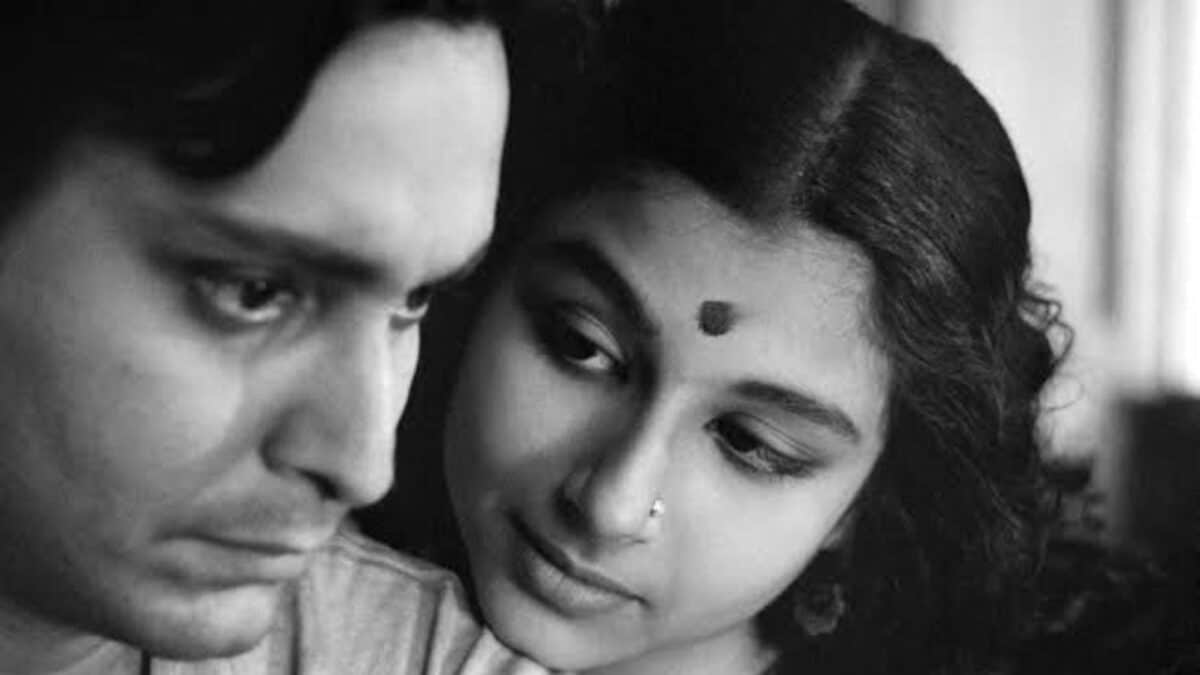
The Apu Trilogy is a coming-of-age film series directed by Satyajit Ray. It follows the life of Apu, from his childhood in rural Bengal to adulthood, capturing his dreams, struggles, relationships and personal growth with remarkable realism. The trilogy consists of the following films. (Image: IMDb)
ADVERTISEMENT
3 / 7 Pather Panchali (1955)
The first film introduces young Apu and his family living in a poor Bengali village. Through simple yet powerful storytelling, it portrays childhood curiosity, poverty and the beauty of everyday life. The film won international acclaim and put Indian cinema on the global map. (Image: IMDb)
4 / 7 Aparajito (1956)
The second instalment follows Apu as he grows up, moves to the city for education and faces life-changing personal losses. The film explores the emotional bond between a mother and son and the difficult choices that come with growing up. (Image: IMDb)
ADVERTISEMENT
5 / 7 Apur Sansar (1959)
The final chapter focuses on Apu's adulthood, marriage, fatherhood and journey through love, grief and redemption. It brings the trilogy to a deeply moving and memorable conclusion. (Image: IMDb)
6 / 7 The Apu Trilogy is celebrated for its deeply human storytelling rather than grand spectacle. Satyajit Ray used natural locations, realistic performances and emotionally rich characters to tell a universal story that continues to resonate decades later. The films explore themes such as family and relationships, childhood and growing up, love and loss, poverty and hope, dreams, and resilience and self-discovery. These timeless themes make the trilogy relatable to audiences across cultures and generations. (Image: IMDb)
ADVERTISEMENT