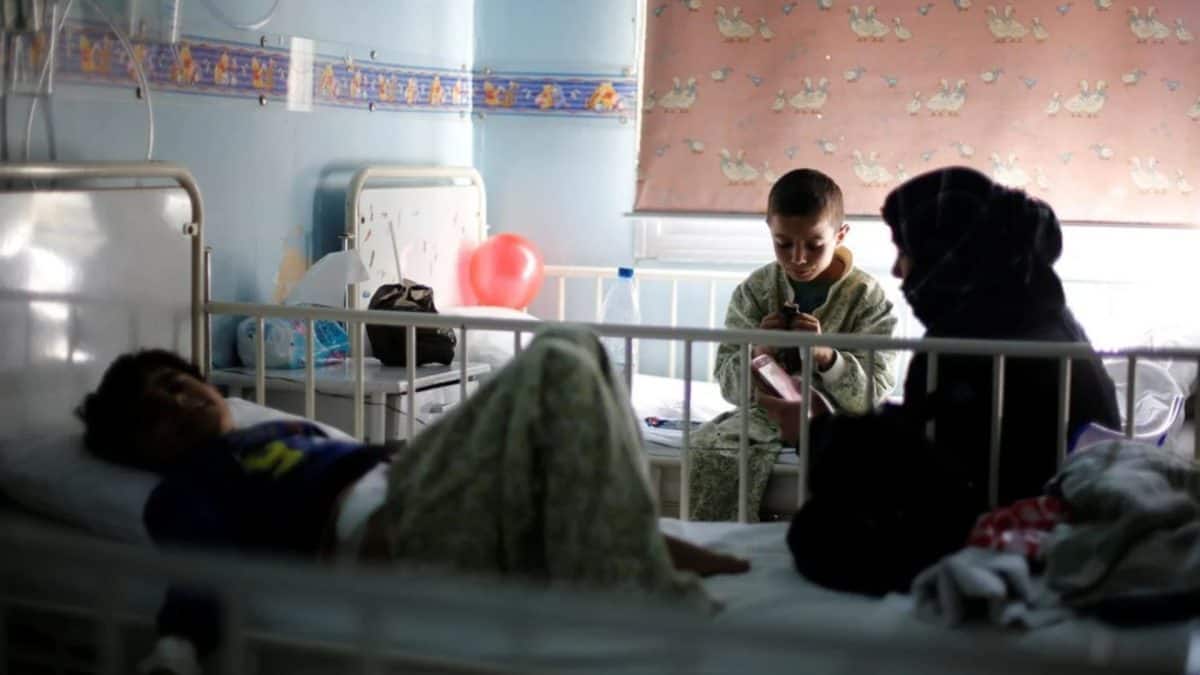
But as more children survive childhood cancer, doctors are paying greater attention to what happens after the cancer is gone and how treatment may affect a child’s health years or even decades later.
What can happen after childhood cancer treatment?
The type and biology of the cancer, treatment intensity and the child’s age can all influence long-term outcomes.
Potential effects can involve growth, hormonal health, learning, memory, hearing, heart or lung health, bone strength and fertility.
AdvertisementHelping children thrive after cancerFor paediatric oncologists, successful cancer treatment is increasingly being viewed through a wider lens.
As survival rates improve, paediatric oncologists are increasingly focusing on late effects of cancer treatment, from growth and fertility to learning, organ health and emotional well-being.
For a child diagnosed with cancer, the immediate priority is to control the disease and save their life. But as more children survive childhood cancer, doctors are paying greater attention to what happens after the cancer is gone and how treatment may affect a child’s health years or even decades later.
Some cancer treatments can affect healthy tissues along with cancer cells, potentially leading to health problems known as late effects. Depending on the type of cancer, treatment, its intensity and the child’s age at diagnosis, these effects may involve growth and development, learning and memory, heart and lung function, fertility, bone health, hearing and emotional well-being.
Advertisement
This is prompting a broader approach to paediatric cancer care. Doctors are increasingly aiming not just to cure the cancer, but to achieve that cure while limiting avoidable long-term harm.
What can happen after childhood cancer treatment?
Advances in chemotherapy, radiotherapy, surgery, targeted therapy, immunotherapy and bone marrow transplantation have significantly improved survival in childhood cancers.
But some treatments can also affect healthy organs and developing tissues.
Dr Neeraj Teotia, Consultant - Paediatric Hemato-Oncology & Bone Marrow Transplant at Marengo Asia Hospitals, Gurugram, said survivors may face difficulties related to growth and development, learning and memory, fertility, heart or lung function, hormonal health, bone health and emotional well-being, depending on the treatment they received.
More from Health More from Health
“ A child who survives cancer deserves not only to be alive, but also to have the opportunity to grow, learn, work, form relationships and lead a fulfilling life,” Teotia said.
Dr Arun Singh Danewa, Senior Consultant – Pediatric-Haemato-Oncology & Bone Marrow Transplant (Unit II), Artemis Hospital, Gurugram, said chemotherapy, radiation and surgery can sometimes affect healthy tissues.
For instance, radiation involving the brain can affect learning and memory in some children, while certain chemotherapy medicines can affect the heart or reproductive system. Hearing, growth, bone health and fertility may also be affected in some survivors.
However, these risks do not mean cancer treatment should be avoided, he stressed. Instead, they highlight the importance of choosing the safest effective treatment for each child.
Advertisement
Dr Sandeep Jain, Associate Director – Pediatric Hematology Oncology and BMT at Rajiv Gandhi Cancer Institute and Research Centre (New Delhi) said the possibility of late effects varies considerably from one patient to another.
The type and biology of the cancer, treatment intensity and the child’s age can all influence long-term outcomes. Potential effects can involve growth, hormonal health, learning, memory, hearing, heart or lung health, bone strength and fertility. Some survivors may also experience emotional difficulties or face an increased risk of developing another cancer later in life.
From ‘cure’ to ‘cure with the least possible harm’
The possibility of long-term complications is changing how doctors think about treatment.
According to Singh Danewa, the guiding principle in modern paediatric oncology is increasingly “cure with the least possible harm”.
That means doctors are considering whether treatment intensity can be safely reduced, whether a more targeted approach can be used and how developing organs can be protected while still effectively treating the cancer.
Jain said treatment is becoming increasingly personalised according to the cancer’s type, biology and risk profile. Where appropriate, targeted therapies, immunotherapies, precision radiation techniques or adjusted treatment doses may help reduce exposure of healthy organs without compromising the chances of cure.
Teotia said precision medicine is also helping doctors select therapies according to the biology and risk of an individual child’s cancer.
The objective is therefore not to compromise cancer treatment, but to give the right treatment at the right intensity while limiting unnecessary long-term complications.
Dr Tanvi Singh, Medical Oncologist, MOC Cancer Care (New Delhi) said the possibility of delayed effects should not create fear around cancer treatment. For many children, treatment is lifesaving, and its benefits can outweigh potential risks.
The focus, she said, should instead be on identifying possible complications early and managing them proactively.
Why the end of treatment is not the end of care
A child completing cancer treatment may have no evidence of active disease, but that does not necessarily mean medical follow-up can stop.
Survivorship care may require long-term monitoring of a child’s physical, developmental, educational, reproductive and emotional health.
Depending on individual needs, follow-up may include nutritional support, physiotherapy or physical rehabilitation, psychological counselling, fertility preservation, cardiac monitoring and assessment of other organs.
Jain said long-term follow-up allows doctors to monitor a survivor’s overall health and identify and address late effects at an early stage.
Families can also play an important role by maintaining treatment records, attending scheduled follow-up appointments and discussing possible late effects with the treating team.
Advertisement
Helping children thrive after cancer
For paediatric oncologists, successful cancer treatment is increasingly being viewed through a wider lens.
Survival remains the priority, but doctors also want children to return to school, participate in everyday activities, form relationships, pursue careers and enter adulthood with the best possible physical and emotional health.
As Teotia put it, a child who survives cancer should have the opportunity to grow, learn, work, form relationships and lead a fulfilling life.
The question after childhood cancer, therefore, is not simply whether the disease has been cured. It is also how that child will grow and live in the years that follow.