This information, known as Digital Sequence Information (DSI), can be downloaded and used to develop medicines, vaccines, cosmetics, improved crop varieties and other commercial products without ever accessing the original plant, animal or microorganism.
At the 17th Conference of the Parties (COP17) to the UN Convention on Biological Diversity (CBD) held in Yerevan, Armenia, DSI was a contentious issue.
At the heart of the debate was a question of fairness: if companies could use genetic information to develop valuable products, who should benefit, and who should pay?
But questions remain over whether companies will contribute enough, how the money will reach the communities concerned, and how the use of genetic information can be tracked.
Third World Network is a Malaysia-based, non-profit international research and advocacy organisation that works on development, environmental protection and the rights of developing countries.
Every living organism has a genetic code that scientists can read and store digitally. This information, known as Digital Sequence Information (DSI), can be downloaded and used to develop medicines, vaccines, cosmetics, improved crop varieties and other commercial products without ever accessing the original plant, animal or microorganism.
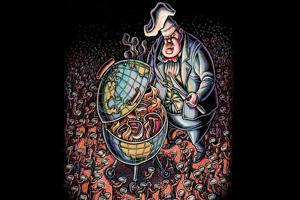
The problem is that the genetic resources of biodiversity-rich countries, including those protected by indigenous peoples and local communities for generations, could become the basis for profitable products elsewhere, often without those who conserve them receiving a fair share of the benefits.
At the 17th Conference of the Parties (COP17) to the UN Convention on Biological Diversity (CBD) held in Yerevan, Armenia, DSI was a contentious issue. At the heart of the debate was a question of fairness: if companies could use genetic information to develop valuable products, who should benefit, and who should pay?
The Cali Fund, established at CBD COP16 in Cali, Colombia, in 2024, is a global fund designed to channel benefits from the commercial use of digital genetic information back to biodiversity-rich countries and Indigenous and local communities. It is named after the Colombian city where it was established. But questions remain over whether companies will contribute enough, how the money will reach the communities concerned, and how the use of genetic information can be tracked.
A 2025 analysis by the Third World Network warns that major genetic databases, largely controlled by institutions in developed countries, allow users to download genetic sequence information anonymously and use it to develop commercial products, often without the consent of, or fair benefit-sharing with, the countries and indigenous communities from which the genetic resources originated.
Third World Network is a Malaysia-based, non-profit international research and advocacy organisation that works on development, environmental protection and the rights of developing countries.
In this interview with The News Minute, Nithin Ramakrishnan, senior researcher at Third World Network, explains what DSI means, why it matters beyond scientific and diplomatic circles, and what is at stake for countries and communities as governments negotiate the rules governing its use.