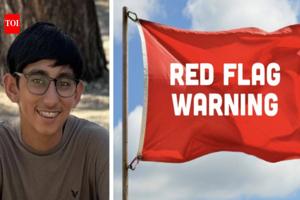
Captain Smit Machchhar suffered a reported depressed skull fracture after an axe attack inside a flydubai cockpit.
What makes an occipital depressed skull fracture dangerous?
Why should severe head injuries never be underestimated?
The first close-up images of Indian pilot Captain Smit Machchhar have drawn attention to the severity of his injuries.
Doctors may need to monitor neurological function, vision, balance, headaches and cognitive abilities.A person may remain conscious or even perform complex tasks after sustaining a serious head injury.
Captain Smit Machchhar suffered a reported depressed skull fracture after an axe attack inside a flydubai cockpit.
What exactly happened to Captain Smit Machchhar?
What makes an occipital depressed skull fracture dangerous?
Why could the surgery have been particularly challenging?
What does his recovery tell us about the injury?
Why should severe head injuries never be underestimated?
The first close-up images of Indian pilot Captain Smit Machchhar have drawn attention to the severity of his injuries. Stitches and staples across his head shows the physical trauma he suffered during the mid-air attack aboard a flydubai flight on September 30.But the seriousness of his injury may be far more than the visible wounds. Neurosurgeon Dr Sanat Dixit, MD, FACS, has described the injury as an occipital compound depressed skull fracture and highlighted a particularly dangerous structure near the site of the blows: the superior sagittal sinus, a major vein that drains blood from the brain.His assessment raises an important medical question. Why can an injury to the back of the skull become life-threatening, even when the damage appears to be limited to one area?Machchhar was attacked on September 30 aboard flydubai flight FZ 1073, travelling from Dubai to Tel Aviv with 174 people on board. His co-pilot allegedly struck him repeatedly with an emergency crash axe inside the cockpit.The blows caused severe bleeding and blurred vision. Machchhar also lost consciousness during the ordeal. Despite his injuries, he managed to open the cockpit door, allowing passengers and crew members to overpower the attacker. Other pilots subsequently took control of the aircraft, which landed safely in Tabuk, Saudi Arabia.The occipital bone forms the back portion of the skull and protects important structures inside the head. A depressed skull fracture occurs when a broken piece of bone gets pushed inward, potentially putting pressure on the brain or damaging nearby blood vessels.Dr Dixit highlighted the proximity of Machchhar's injury to the superior sagittal sinus. This is a large venous channel that collects blood from the brain and helps drain it towards the heart.According to the NCBI medical reference on superior sagittal sinus anatomy, this is the largest dural venous sinus and an important part of the brain's drainage system.An injury to this structure can cause serious bleeding. It can also lead to complications such as blood clots and disturbed blood circulation.Dr Dixit explained that lifting a depressed bone fragment near the sinus can be extremely risky.In some cases, the broken bone may temporarily press against an injured vein and restrict bleeding. Removing that bone without carefully controlling the injury could expose the damaged vessel and trigger massive blood loss.He warned that surgeons could potentially face a situation involving the loss of two litres of blood within a minute.He also referred to a morbidity and mortality risk exceeding 40% in certain penetrating sinus injuries. However, this figure should not be interpreted as Captain Machchhar's individual risk or prognosis.The Indian Embassy in the UAE reported on October 6 that Machchhar was making steady progress and regaining his health.However, recovery from a serious head injury involves more than the healing of visible wounds. Doctors may need to monitor neurological function, vision, balance, headaches and cognitive abilities.A person may remain conscious or even perform complex tasks after sustaining a serious head injury. That does not necessarily mean the brain has escaped damage.Worsening headaches, repeated vomiting, seizures, confusion, weakness, unequal pupils or loss of consciousness require immediate medical attention.Machchhar's survival is remarkable, but his case also highlights how quickly a head injury can become life-threatening when major blood vessels are involved.