News lifestyle health-and-fitness Breast Cancer Doesn't Wait Until 50: Why Young Women Need To Pay AttentionBreast Cancer Doesn't Wait Until 50: Why Young Women Need To Pay AttentionReported By :,Last Updated: October 30, 2026, 08:11 ISTBreast cancer can affect young women too.
A recent report by Southern Maryland News highlighted concerns raised by MedStar Health about breast cancer in younger women.
Dr Mandeep Singh Malhotra, Senior Oncologist, says breast cancer in younger women deserves greater attention, particularly because delayed diagnosis can affect treatment outcomes.
Breast Cancer Symptoms Young Women Should Never IgnoreOne of the biggest challenges with breast cancer is that it does not always announce itself through pain.
Young women should understand that breast cancer can affect them, but this awareness should empower rather than frighten them.
News lifestyle health-and-fitness Breast Cancer Doesn't Wait Until 50: Why Young Women Need To Pay Attention
Breast Cancer Doesn't Wait Until 50: Why Young Women Need To Pay Attention
Reported By :
,
Last Updated: October 30, 2026, 08:11 IST
Breast cancer can affect young women too. An oncologist explains the symptoms, risk factors, BRCA gene mutations and why early detection matters.
3 Quick Answers
Breast cancer can affect women at any age. Here's why young women should recognise the warning signs, understand their risk factors and prioritise early detection.
Breast cancer is often associated with middle age and beyond, but younger women are not immune to the disease. In fact, breast cancer remains an important health concern among women in their 30s and 40s, making awareness, timely medical attention and understanding personal risk factors more important than ever.
A recent report by Southern Maryland News highlighted concerns raised by MedStar Health about breast cancer in younger women. The issue is relevant in India, too. Data from the Indian Council of Medical Research (ICMR) and the National Cancer Registry Programme have identified breast cancer as one of the leading cancers among women aged 30–39. For many women, the assumption that they are too young to develop breast cancer can become a reason to overlook symptoms or delay seeking medical advice.
Dr Mandeep Singh Malhotra, Senior Oncologist, says breast cancer in younger women deserves greater attention, particularly because delayed diagnosis can affect treatment outcomes.
“Breast cancer is not just a disease of older women. Young women need to be equally aware of their breast health," he says.
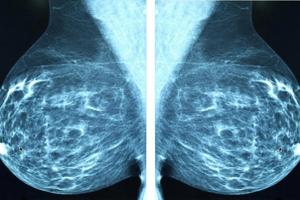
While age remains an important risk factor, a diagnosis can happen at any age. Younger women may also face specific challenges: breast tissue tends to be denser, which can make mammograms harder to interpret, and changes associated with menstrual cycles, pregnancy and breastfeeding may sometimes lead to symptoms being dismissed.
The important thing to remember is that a new lump or unusual breast change should never be ignored simply because a woman is young.
Why Are More Young Women Being Diagnosed With Breast Cancer?
There is no single explanation for breast cancer developing in younger women. A combination of inherited genetic factors, reproductive history, hormonal exposure and lifestyle-related factors can influence an individual’s risk.
“Breast cancer is affecting women at a younger age, and an important component of this is familial or hereditary breast cancer linked to BRCA1, BRCA2 and related genes," explains Dr Malhotra.
Inherited mutations in genes such as BRCA1 and BRCA2 can significantly increase breast cancer risk and may be particularly relevant when there is a strong family history of breast or ovarian cancer. However, not every woman diagnosed at a young age has an inherited mutation, and not every woman with breast cancer has a family history of the disease.
Reproductive factors can also influence risk. Early onset of menstruation, having a first pregnancy at an older age and never having given birth are among the factors associated with breast cancer risk. Other recognised risk factors include excess body weight, physical inactivity, alcohol consumption and tobacco use.
Dr Malhotra also highlights the importance of understanding family history and seeking appropriate medical advice rather than relying on assumptions about age or lifestyle.
Women with close relatives who have had breast or ovarian cancer, particularly at a young age, should discuss their risk with a doctor. Genetic counselling and testing may be recommended in certain cases.
Breast Cancer Symptoms Young Women Should Never Ignore
One of the biggest challenges with breast cancer is that it does not always announce itself through pain. A lump may be painless, and some changes can be subtle.
Being familiar with the normal appearance and feel of your breasts can help you recognise when something is different.
Some warning signs to look out for include:
A new lump or thickening in the breast or underarm.
A sudden change in the size or shape of one breast.
Dimpling, puckering or thickening of the breast skin.
A newly inverted nipple or a change in its appearance.
Unusual nipple discharge, particularly if it is bloody.
Persistent redness, swelling or changes in the skin around the breast.
Persistent or unusual breast pain, particularly when accompanied by other changes.
Not every breast lump or change indicates cancer. Many are caused by benign conditions, hormonal fluctuations or infections. However, any new or persistent change should be evaluated by a healthcare professional.
Breast Self-Awareness: Knowing What Is Normal Matters
Many women are unsure about when they should start paying attention to their breast health. The first step is understanding what is normal for your body.
Dr Malhotra recommends breast awareness and paying attention to changes in the appearance or feel of the breasts. This includes noticing unusual lumps, thickening, swelling or changes around the nipple.
“Knowing your own body can help you recognise when something is wrong. Do not ignore a potential problem simply because you are young or because it does not hurt. Early diagnosis can make all the difference to treatment and recovery," he says.
It is important, however, to understand that breast self-examination is not a substitute for medical screening. Research has not established that routine, systematic self-examinations reduce breast cancer deaths. The emphasis is on breast self-awareness and seeking medical advice promptly when something unusual is noticed.
Depending on a woman’s age, symptoms and individual risk factors, a doctor may recommend further investigations such as an ultrasound, mammogram or biopsy.
Women at higher risk because of family history or inherited genetic mutations may also require an individualised screening plan.
Why Early Detection Can Make A Difference
A breast cancer diagnosis can be frightening, particularly for a young woman who may not have considered herself at risk. But early diagnosis and timely treatment can significantly improve outcomes.
According to the World Health Organization (WHO), early detection involves recognising symptoms, seeking medical advice, receiving a timely diagnosis and accessing appropriate treatment.
This distinction matters. Screening is intended to identify cancer before symptoms appear in people who do not have signs of the disease. Diagnostic tests, on the other hand, investigate symptoms or suspicious changes.
A young woman who notices a lump should not wait until she reaches the usual age for routine mammography. She should consult a doctor, who can determine the appropriate investigations.
The right screening approach also depends on individual risk. Women with an average risk profile and those with a strong family history or genetic predisposition may need different recommendations.
Awareness Starts At Home
Breast cancer awareness should not be limited to an annual campaign or a reminder during Breast Cancer Awareness Month. Conversations about breast health need to become a regular part of how families discuss women’s health.
Young women should understand that breast cancer can affect them, but this awareness should empower rather than frighten them. Knowing the warning signs, understanding family history and seeking timely medical advice can make a meaningful difference.
You do not have to wait for pain, a visible change or a particular birthday to take your breast health seriously. If something feels different, get it checked. Being young is not a reason to dismiss a warning sign.
News18 Newsletter Handpicked stories, in your inbox A newsletter with the best of our journalism submit
Quick Answers Powered by Ask News18 What are the common symptoms of breast cancer that young women should never ignore? Warning signs include a new painless lump or thickening in the breast or underarm, sudden changes in breast size or shape, skin dimpling or puckering, newly inverted nipples, unusual or bloody nipple discharge, and persistent redness, swelling, or pain. Why are younger women increasingly being diagnosed with breast cancer? While there is no single cause, risk factors include inherited genetic mutations like BRCA1 and BRCA2, reproductive factors such as early menstruation or late first pregnancy, and lifestyle issues including excess weight, physical inactivity, alcohol, and tobacco use. How does dense breast tissue affect mammogram screening in younger women? Younger women typically have denser breast tissue, which can make mammograms significantly harder for doctors to interpret correctly. Powered by Ask News18
About the Author Swati Chaturvedi Swati Chaturvedi is a seasoned media professional with over 13 years of experience in journalism, digital content strategy, and editorial leadership across top national media houses. An alumna of Lady... Read More
ADD YOUR COMMENT
First Published: October 30, 2026, 08:11 IST