When I tell patients that they may have fatty liver despite feeling perfectly healthy, many find it difficult to believe.
Nearly four in 10 adults in India are estimated to have metabolic dysfunction-associated steatotic liver disease (MASLD), earlier known as non-alcoholic fatty liver disease.
In the early stages, fatty liver rarely causes symptoms.
Fatty liver is also closely associated with cardiovascular disease, making it important to look beyond the liver alone.
The encouraging news is that early-stage fatty liver can often be reversed.
When I tell patients that they may have fatty liver despite feeling perfectly healthy, many find it difficult to believe. They work hard, go about their daily routines and eat what they consider normal food. Yet, a medical examination may reveal excess fat in their liver.
This is more common than most people realise. Nearly four in 10 adults in India are estimated to have metabolic dysfunction-associated steatotic liver disease (MASLD), earlier known as non-alcoholic fatty liver disease. Screening studies in North India, including the Amritsar region, have reported even higher figures among the people tested. What concerns me most is that the condition often develops without any noticeable symptoms.
Advertisement
Fatty liver is not simply an alcohol-related problem. Excess fat can accumulate in the liver because of obesity, particularly abdominal obesity, diabetes, high cholesterol and a sedentary lifestyle. In Punjab, dietary habits involving generous quantities of ghee, butter, fried snacks and sweets, coupled with a high burden of diabetes, increase the risk. I am also concerned about the growing number of younger adults and children being diagnosed with the condition.
Advertisement
The danger lies in its silent progression. In the early stages, fatty liver rarely causes symptoms. However, over time, it can lead to inflammation and scarring. In some patients, the damage progresses to cirrhosis and increases the risk of liver cancer. Fatty liver is also closely associated with cardiovascular disease, making it important to look beyond the liver alone.
The encouraging news is that early-stage fatty liver can often be reversed. In my clinical experience, timely diagnosis, sustained lifestyle changes and regular monitoring can make a substantial difference. Losing 5 to 10 per cent of body weight, reducing sugary drinks and refined carbohydrates, eating more vegetables, pulses, fruits and whole grains, and engaging in at least 150 minutes of physical activity a week can help improve liver health.
Advertisement
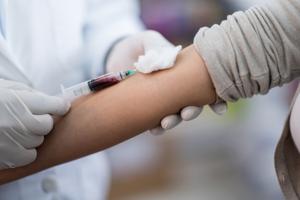
I advise people who are overweight, diabetic, have abnormal cholesterol levels or a family history of liver disease to discuss screening with their doctor. Blood tests and ultrasound can help identify the problem, while FibroScan can assess liver fat and provide an estimate of liver stiffness, helping doctors evaluate possible scarring. No single test is sufficient in every case, so the findings must be interpreted alongside a patient’s medical history and other investigations.
Most patients with uncomplicated fatty liver do not require complex procedures. The priority is to address the contributing factors through sustainable lifestyle changes, manage associated conditions such as diabetes and high cholesterol, and monitor progress. Medication may be appropriate in selected cases, depending on the severity of the disease and the patient’s overall health.
My message is simple: do not wait for symptoms to appear before paying attention to your liver. If you have one or more risk factors, seek medical advice and consider an evaluation. A timely assessment can help identify a problem before significant damage occurs.
With early diagnosis and consistent care, many people can protect their liver health and continue to lead active, fulfilling lives.
Article by Dr Abhay Mahajan, Director, Department of Gastroenterology, Mahajan Hospital, Amritsar