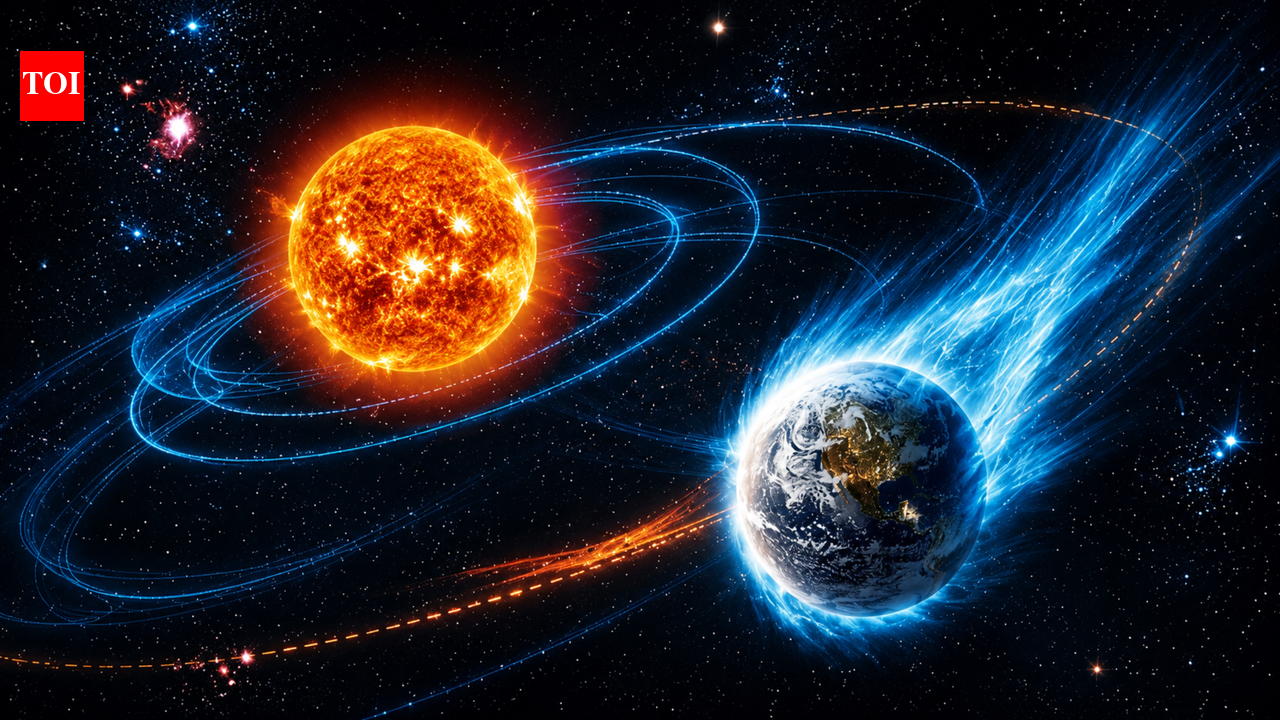
A distant planet survived the death of its star.
It holds clues to our fateChethan KumarTNN Jul 27, 2026, 19:18 IST ISTFor centuries, telescopes have functioned as time machines, allowing astronomers to peer deep into the past.
The farther they look into space, the farther back in time they see.
Using the James Webb Space Telescope (JWST), astronomers from University of St Andrews in the UK have observed a giant planet circling the burnt-out remains of a Sun-like star.
As the researchers put it, the system offers a window into the future of planets like Jupiter.
A distant planet survived the death of its star. It holds clues to our fate
Chethan Kumar
TNN Jul 27, 2026, 19:18 IST IST
For centuries, telescopes have functioned as time machines, allowing astronomers to peer deep into the past. The farther they look into space, the farther back in time they see. Now, for perhaps the first time, a telescope has offered a glimpse of what could be our future.
Using the James Webb Space Telescope (JWST), astronomers from University of St Andrews in the UK have observed a giant planet circling the burnt-out remains of a Sun-like star. Their research, out this month in Nature, is one of the strongest observational clues yet about what may happen to the outer Solar System after our Sun’s death, 5 billion years from now. As the researchers put it, the system offers a window into the future of planets like Jupiter.