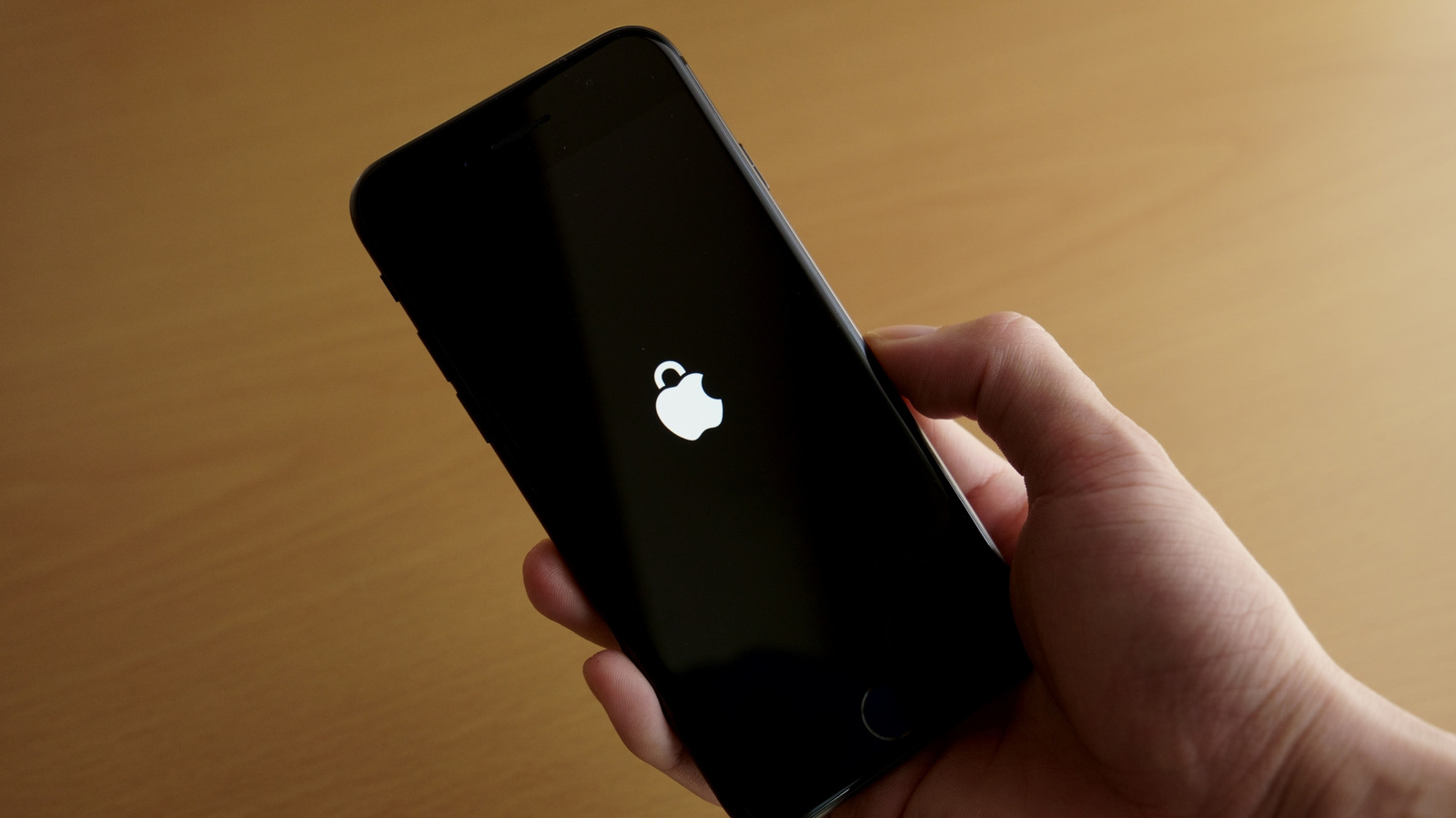
Your iPhone's Lock Screen is what anyone sees immediately when they turn on the screen.
Even without your passcode, it exposes more than you might think because by default, anyone can open Control Center or use Siri.
The good news is that you can limit what appears on your iPhone's Lock Screen.
Select the When Unlocked option so they remain hidden until you authenticate with Face ID or Touch ID.
Next, go back to the main Settings screen and tap Face ID & Passcode (or Touch ID, depending on your iPhone).
Your iPhone's Lock Screen is what anyone sees immediately when they turn on the screen. Even without your passcode, it exposes more than you might think because by default, anyone can open Control Center or use Siri. That might not seem like much, but someone could use this to play pranks or even put your lost iPhone into airplane mode, making it harder to find. The good news is that you can limit what appears on your iPhone's Lock Screen.
Start by making sure your iPhone only shows notifications when it's unlocked. Open the Settings app and go to Notifications, then Show Previews. Select the When Unlocked option so they remain hidden until you authenticate with Face ID or Touch ID. Next, go back to the main Settings screen and tap Face ID & Passcode (or Touch ID, depending on your iPhone). Enter your passcode and scroll down to Allow Access When Locked.
Here, you can limit what can be done from the Lock Screen without authenticating, including accessing Control Center, using Siri, searching, replying to messages and controlling your home. Turn off the features you want to restrict (Control Center is one you should turn off). The features you disable will become available again as soon as you unlock your iPhone.